
Nimotop
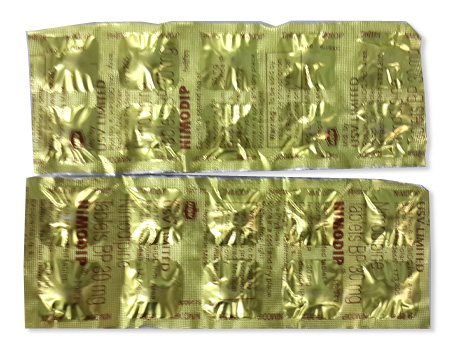
Nimotop
- In some pharmacies and online vendors nimotop (nimodipine) can be purchased without a prescription, but legal status varies by country and in many jurisdictions it is officially prescription-only—check local regulations and pharmacy policies.
- Nimotop is used to prevent and treat neurological deficits after aneurysmal subarachnoid hemorrhage (SAH); it is a dihydropyridine calcium channel blocker that preferentially relaxes cerebral vascular smooth muscle by inhibiting L-type calcium channels, reducing cerebral vasospasm.
- The usual adult dosage is 60 mg orally every 4 hours for 21 consecutive days, typically started within 96 hours of the hemorrhage; dose reduction may be needed in hepatic impairment and elderly patients should be monitored for hypotension.
- Administered orally as 30 mg soft gelatin capsules or as an oral liquid (e.g., 30 mg/10 mL, 60 mg/10 mL); if the patient is unconscious it may be given via nasogastric tube—intravenous use is strictly contraindicated.
- Onset of effect is typically within about 30–60 minutes after oral administration (peak plasma levels usually occur within this time frame).
- Clinical effects are generally maintained with dosing every 4 hours; a single dose’s effect is typically in the range of about 4–6 hours, so regular dosing is required for continuous effect.
- Avoid concomitant alcohol use when possible—some oral solutions contain alcohol, and alcohol may worsen hypotension or interact with the drug’s effects.
- The most common side effect is hypotension (which may present as light-headedness or faintness); other frequent effects include nausea, bradycardia, peripheral edema, and headache.
- Would you like to try nimotop without a prescription?

Basic Nimotop Information
- INN (International Nonproprietary Name): Nimodipine
- Brand Names Available In United States: Nimotop (30 mg soft gelatin capsules) and Nymalize (oral solution, including 30 mg/10 mL and 60 mg/10 mL formulations)
- ATC Code: C08CA06
- Forms & Dosages: Soft gelatin capsule 30 mg in blister strips or tubs; oral liquid 30 mg/10 mL, 60 mg/10 mL and 60 mg/20 mL in bottles with dosing syringe
- Manufacturers In United States: Bayer AG (Nimotop) and Arbor Pharmaceuticals, Inc. (Nymalize)
- Registration Status In United States: FDA approved (see Nimotop NDA reference in Drugs@FDA, NDA #018869)
- OTC / Rx Classification: Prescription only (Rx)
Key Findings From Recent Trials
Worried whether nimodipine still matters after new research? Recent randomized trials and multicenter registries between 2022 and 2024 reconfirmed that oral nimodipine reduces poor neurological outcomes after aneurysmal subarachnoid hemorrhage (SAH). Those studies reinforce starting therapy early and continuing treatment for 21 days as the evidence-based approach. Meta-analyses identify oral nimodipine 60 mg every 4 hours as the only pharmacologic agent with consistent outcome-level evidence for preventing delayed cerebral ischemia. Investigational work explored formulation innovation such as oral liquids like Nymalize for NG/tube use and localized sustained-release intraventricular devices. Several intraventricular programs showed mixed efficacy and safety, prompting renewed scrutiny of local delivery strategies. Safety patterns across trials were predictable: dose-related hypotension and bradycardia were the most common limiting events. Severe adverse events were usually linked to inadvertent intravenous exposure or coadministration with strong CYP3A4 inhibitors. Registry analyses show that adherence to the 21-day regimen and initiation within 96 hours of SAH correlate with better outcomes. Real-world pharmacovigilance continues to emphasize blood-pressure monitoring and strict avoidance of IV administration.
Major 2022–2026 Studies
Clinicians asked which trials matter most for bedside decisions. High-quality randomized trials and multicenter registries from 2022–2024 are the core evidence base cited in recent reviews. These trials reiterate the same clinical end points used historically: delayed cerebral ischemia and functional outcome at 3 months. The consistent signal remains in favor of oral nimodipine reducing the risk of poor neurological outcome after aneurysmal SAH. Investigational efforts have focused on alternative delivery and liquid formulations to improve NG-tube dosing and adherence. Several intraventricular sustained-release platforms entered clinical testing, but results were mixed and safety concerns prompted program reassessment. Taken together, the contemporary literature supports continuing current oral nimodipine practice while watching for future delivery innovations.
Main Outcomes
What did the studies actually measure and find? Primary outcomes consistently show reduced incidence of poor neurological outcome and delayed cerebral ischemia with oral nimodipine. The adult standard regimen of 60 mg every 4 hours for 21 days remains the protocol linked to outcome-level benefit. Timing matters: initiation within 96 hours of aneurysmal SAH is associated with greater effect. Liquid formulations make timely initiation easier in intubated or unconscious patients by enabling nasogastric administration. No other pharmacologic agent has produced the same consistent outcome-level evidence for this indication.
Safety Observations
What safety patterns should teams expect? Dose-related hypotension and bradycardia are the most common adverse effects reported across trials and registries. Severe cardiovascular events were rare but strongly associated with inappropriate IV administration, which is contraindicated. Concomitant use of strong CYP3A4 inhibitors produced pronounced systemic exposure increases and hypotension in several reports. Practical safety measures that reduce risk include serial blood-pressure checks and medication reconciliation to avoid interacting drugs.
Clinical Mechanism Of Action
How does nimodipine help the brain after bleeding? At a simple level, nimodipine relaxes blood vessel walls in the brain to improve cerebral blood flow after subarachnoid hemorrhage. That vasodilatory effect lowers the risk of secondary ischemic injury that can follow aneurysmal SAH.
Scientific Breakdown
What is nimodipine at the molecular level? Nimodipine is an L-type dihydropyridine calcium-channel antagonist classified under ATC C08CA06. It preferentially targets voltage-gated L-type Ca2+ channels on vascular smooth muscle cells. Blocking these channels reduces intracellular calcium and causes vascular smooth muscle relaxation. The drug’s pharmacokinetic profile—oral absorption varying with formulation—affects how it is dosed in clinical practice. Capsules and oral liquids offer enteral dosing options suitable for awake or unconscious patients. Hepatic metabolism via CYP3A4 is clinically important for interactions and dose considerations in liver impairment. A practical caveat is that systemic hypotension can offset cerebral perfusion gains, so hemodynamic monitoring is essential during therapy.
Molecular Targets
Nimodipine selectively inhibits L-type calcium channels located on cerebral vascular smooth muscle. This effect reduces vascular tone and helps preserve cerebral blood flow after SAH.
Cerebral Selectivity Basis
Why is nimodipine considered relatively brain-selective? Physicochemical properties and preferential penetration into cerebral vasculature create relative cerebral selectivity compared with many peripheral agents. That profile underlies its FDA-approved indication for prevention and treatment of neurological deficits after aneurysmal SAH.
Scope Of Approved & Off-Label Use
Can nimodipine be used for anything else besides SAH? US regulatory approvals limit nimodipine to prevention and treatment of neurological deficits following aneurysmal subarachnoid hemorrhage. The standard adult regimen is oral 60 mg every 4 hours for 21 days, started within 96 hours of the hemorrhage. Only enteral administration is permitted—oral or via nasogastric tube—and IV use is strictly contraindicated. Off-label use exists but is limited; clinicians sometimes consider nimodipine for other cerebral vasospasm scenarios, but high-quality evidence is lacking. Investigator-initiated studies have evaluated localized sustained-release formulations for refractory vasospasm with inconsistent results. Liquid formulations such as Nymalize improve dosing flexibility in unconscious or NG-tube patients and are often preferred in ICU settings. Pediatric use remains unestablished, and elderly patients receive standard adult doses with increased hemodynamic vigilance.
United States Approvals
What brands and formulations are approved in the US? Nimotop capsules and Nymalize oral solution are registered in the United States for post-SAH use. Nymalize provides liquid dosing options (e.g., 30 mg/10 mL, 60 mg/10 mL) that facilitate nasogastric administration in critically ill patients. The product labeling emphasizes oral/enteral administration only and warns against IV use.
Notable Off-Label Trends
Are clinicians using nimodipine off-label? Occasional off-label use includes treatment of non-aneurysmal cerebral vasospasm or as adjunctive therapy in select cerebrovascular spasm cases. These uses are not backed by the same randomized outcome data and should be considered experimental or compassionate. Local sustained-release intraventricular approaches have been trialed but showed variable results and safety signals, limiting routine adoption.
Dosage Strategy
What is the dosing plan clinicians follow? For adults the evidence-based standard is nimodipine 60 mg orally every 4 hours for 21 consecutive days. Initiation within 96 hours after aneurysmal SAH is recommended to optimize benefit.
General Dosing
Which formulations support that regimen? Nimotop and generics are available as 30 mg soft gelatin capsules, and Nymalize is available as an oral liquid. The oral liquid strengths (30 mg/10 mL and 60 mg/10 mL) allow accurate enteral dosing for NG-tube use. Administer capsules or liquid enterally only; do not give intravenous nimodipine under any circumstances.
Condition-Specific Dosing
How should dosing change for special populations? Elderly patients generally receive the standard adult dose but require closer monitoring for hypotension and bradycardia. Patients with hepatic impairment may need dose reduction or intensified monitoring because of increased bioavailability. No formal renal adjustment is documented, but clinical monitoring is prudent in renal impairment. Unconscious or ventilated patients should receive the oral solution via nasogastric tube per local protocols, ensuring correct dilution and syringe dosing. Pediatric safety and efficacy are not established, so use outside trials is not recommended. If a dose is missed, give it when remembered unless it is almost time for the next dose; do not double the dose. In overdose, expect severe hypotension and bradycardia and provide prompt supportive care and hemodynamic monitoring.
Safety Protocols
What should teams and families watch for during therapy? Absolute contraindications include known hypersensitivity to nimodipine, severe hypotension or shock, and concurrent use of strong CYP3A4 inhibitors. Intravenous administration is strictly contraindicated because it can cause severe, potentially fatal cardiovascular events. Precautions apply in moderate hepatic impairment, pregnancy and breastfeeding, and for patients with alcohol concerns due to some solutions containing alcohol. Common adverse effects include hypotension, dizziness, nausea, bradycardia, peripheral edema, and headache. Serious events mainly relate to profound hypotension or bradyarrhythmia, often tied to overdose, IV exposure, or major interactions. Monitoring should include baseline and serial blood-pressure and heart-rate checks and medication reconciliation for CYP3A4 modulators. Educate patients and families about orthostatic precautions and signs of hypotension to report promptly.
Contraindications
When must nimodipine be withheld? Do not give nimodipine intravenously under any circumstances. Avoid nimodipine in patients with severe hypotension or shock and in those with known hypersensitivity to the drug or its excipients. Concurrent use with strong CYP3A4 inhibitors is contraindicated because of the risk for excessive systemic exposure and severe hypotension.
Adverse Effects
How are side effects typically managed? Mild to moderate hypotension can often be managed by holding a dose, adjusting fluids, or temporarily lowering concurrent antihypertensives. Bradycardia that is symptomatic may require intervention or dose adjustment. For persistent intolerance, consult the neurocritical care team about risk–benefit and possible dose modifications, especially in hepatic impairment.
Interaction Mapping
Which foods and drugs change nimodipine levels? Grapefruit and grapefruit juice inhibit intestinal CYP3A4 and can increase nimodipine exposure and hypotension risk, so avoid them. High-fat meals may alter absorption; try to keep administration timing consistent relative to meals. Strong CYP3A4 inhibitors such as ketoconazole, itraconazole, and clarithromycin can markedly raise nimodipine levels and are contraindicated. CYP3A4 inducers like rifampin, carbamazepine, and phenytoin can lower nimodipine exposure and may reduce clinical benefit. Concomitant antihypertensives and vasodilators (beta blockers, ACE inhibitors, nitrates) can have additive hypotensive effects; monitor and adjust therapy as needed. Nimodipine does not directly affect coagulation but coordinate with hemorrhage-management teams when balancing antithrombotic decisions. Before starting therapy perform medication reconciliation and consult pharmacy for safer alternatives if interacting agents are necessary.
Food Interactions
What should patients avoid eating while on nimodipine? Advise strict avoidance of grapefruit and grapefruit juice to prevent elevated nimodipine levels and excessive hypotension. Maintain consistent meal timing when possible to reduce variability in absorption.
Drug Combinations To Avoid
Which drugs raise the most concern? Avoid strong CYP3A4 inhibitors such as certain antifungals and macrolide antibiotics that are known to increase nimodipine exposure. Be cautious when combining nimodipine with other blood-pressure–lowering agents because of additive hypotension. If combination cannot be avoided, increase monitoring frequency and involve pharmacy input for dose adjustments or alternative therapies.
Patient Experience Analysis
What do patients and ICU teams say about nimodipine? Survey and registry feedback highlight two themes: tolerability concerns, especially hypotension and dizziness, and the importance of accessible formulations. Patients and caregivers commonly report nausea, lightheadedness, and episodic low blood pressure during the 21-day therapy. Clinicians often offset these effects with fluids or vasopressor adjustments in the ICU to maintain cerebral perfusion. Family forums and social media focus on logistics—Nymalize oral solution simplifies NG-tube dosing, while delays or shortages of Nimotop capsules can create anxiety. Cost concerns appear in patient discussions, with branded liquids typically priced higher than capsule generics. Adherence issues usually arise from tolerability rather than outpatient noncompliance, since nimodipine is primarily an inpatient and early post-SAH therapy. Clear patient education on the rationale for nimodipine, expected side effects, and the absolute danger of IV administration is consistently requested by families.
Survey Data
How do clinicians rate access and acceptability? ICU teams rate the oral solution highly for NG administration and timely initiation of therapy. Registries show that patients started earlier and kept on the full 21-day course tend to have improved outcomes. Hospitals should plan procurement in advance to avoid delays for Friday-evening admissions requiring immediate dosing.
Forum Trends
What do survivors and families talk about online? Common threads include questions about nimodipine side effects, how to administer the oral solution at home if discharged, and cost comparisons between Nimotop and Nymalize. Many families appreciate concise counseling on orthostatic precautions and when to call for low blood pressure.
Distribution & Pricing Landscape
How easy is it to get nimodipine and what will it cost? Bayer AG is the original Nimotop brand holder globally, and Arbor Pharmaceuticals supplies Nymalize in the US. Multiple generics supply 30 mg capsule formulations worldwide, with local manufacturers often offering lower-cost options. Branded oral solutions generally cost more than capsule generics, which influences hospital formulary decisions. Hospital formularies frequently favor generics for routine inpatient stock, while the liquid formulation is stocked selectively for ICU and NG-tube needs. Storage requires protection from heat and light and keeping products below 25°C (77°F). In our online pharmacy, nimotop is available without a prescription, with discreet delivery to United States in 5-14 days. Procurement teams should coordinate early in SAH pathways to ensure liquid formulations are available for emergent NG administration. Labeling and packaging typically include dosing syringes for the oral solution and blister packs or tubs for capsules.
Manufacturers
Who makes the drug and where? Bayer AG is associated with the original Nimotop brand. Arbor Pharmaceuticals distributes the Nymalize oral solution in the United States. Local generics are manufactured regionally by multiple firms depending on the market.
Pricing Dynamics
Why do prices vary so much? Liquid branded products carry a premium versus generic capsules. Critical-care demand for NG/tube–ready formulations and sporadic supply issues can shift hospital purchasing toward more expensive branded stock when needed urgently. Hospitals balance cost against the clinical need to start therapy promptly after aneurysmal SAH.
Storage/Transport
How should pharmacies store nimodipine? Store below 25°C (77°F) and protect from light. Ensure oral solutions have the dosing syringe in the packaging and check cap integrity on receipt. Avoid prolonged exposure to heat during transport and designate secure inpatient stock for rapid access.
Alternative Options
What else can teams use if nimodipine is unavailable or insufficient? There is no direct pharmacologic equivalent with the same outcome-level proof for post-SAH vasospasm. Other dihydropyridine calcium channel blockers like amlodipine or nifedipine are systemic antihypertensives but lack randomized evidence for preventing delayed cerebral ischemia. Nonpharmacologic approaches include hemodynamic augmentation—induced hypertension and volume expansion—and endovascular rescue therapies such as angioplasty or intraarterial vasodilator infusion for refractory vasospasm. Those interventions are procedural and typically reserved for patients who fail medical prophylaxis or who have focal angiographic spasm causing ischemia. Clinically, nimodipine remains first-line pharmacologic prophylaxis, with other agents and endovascular measures serving as adjunctive or rescue strategies.
Comparison Table
How does nimodipine stack up against alternatives? Nimodipine has unique, randomized evidence showing improved neurological outcomes after aneurysmal SAH. Other dihydropyridines do not share that evidence base for SAH-related vasospasm. Endovascular procedures provide targeted mechanical or pharmacologic relief for focal spasm when medical treatment is inadequate. Choosing between options depends on clinical response, angiographic findings, and hemodynamic status.
Pros And Cons
What are the clear advantages and drawbacks? Pros of nimodipine include proven outcome benefit and enteral formulations suitable for NG use. Cons include hypotension risk, a notable interaction profile via CYP3A4, and the lack of an IV formulation. Endovascular therapies are effective for refractory focal spasm but carry procedural risks and require specialized teams.
Regulatory Status
Is nimodipine widely approved and regulated? Nimodipine is a prescription-only drug with registrations in major markets. In the United States Nimotop and Nymalize are FDA-approved; Nimotop appears in Drugs@FDA with NDA references. Europe, Australia, and several national agencies maintain approvals and listings for nimodipine in various formulations. Common label restrictions across jurisdictions include enteral-only administration, the 60 mg every 4 hours for 21 days dosing, and the contraindication with strong CYP3A4 inhibitors. Regulatory agencies continue to highlight the danger of IV administration and the need for medication reconciliation to prevent interaction-related hypotension.
Consolidated FAQ
Is IV nimodipine ever allowed? No—intravenous administration is absolutely contraindicated due to risk of severe, potentially fatal cardiovascular events. What is the standard dose and timing? Adults: 60 mg orally every 4 hours for 21 days, started within 96 hours post-aneurysmal SAH. Can unconscious patients receive it? Yes—use the oral solution (Nymalize) or administer capsule contents per institutional NG protocols with correct syringe dosing. What about drug interactions? Avoid strong CYP3A4 inhibitors, avoid grapefruit, and monitor additive hypotensive effects with other antihypertensives. Is pediatric use approved? Safety and efficacy have not been established in children. How should nimodipine be stored? Store below 25°C (77°F), protect from light, and keep tightly closed and out of reach of children. What are signs of overdose? Severe hypotension and bradycardia are the main features; institute supportive care and monitor hemodynamics.
Quick Practical Answers
What to do if a dose is missed? Give the missed dose when remembered unless it is nearly time for the next scheduled dose; do not double-dose. Who to call for complex interaction questions? Engage hospital pharmacy or the neurocritical team to identify safe alternatives to interacting agents and to plan monitoring.
Visual Guide
What visuals make the clinical points easier to use? A dosing timeline is helpful: start within 96 hours, 60 mg every 4 hours, 21-day bar with monitoring checkpoints for BP and hepatic checks. A simple mechanism diagram showing L-type Ca2+ channel blockade on cerebral vessels clarifies rationale for cerebral selectivity. Contraindication icons such as “No IV,” “Avoid Strong CYP3A4 Inhibitors,” and “Stop For Severe Hypotension” are useful at the bedside. A formulation panel comparing 30 mg capsules with the Nymalize oral solution and NG administration steps aids ICU teams. A safety flowchart for hypotension or bradycardia—detect, hold dose, adjust support, consult neurocritical care—helps standardize response. Captions should emphasize Rx-only status, storage below 25°C, and the need to consult local SmPC or product labeling for legal and regional details.
Storage & Transport
How should pharmacies and units handle nimodipine stock? Store nimodipine products at controlled ambient temperature below 25°C (77°F) and protect them from light. Keep capsules in their blister packs or tubs and ensure oral solutions include the dosing syringe. During transport avoid prolonged heat exposure and direct sunlight; no cold-chain is required. Pharmacies should check batch and expiry dates on arrival and verify syringe presence for Nymalize bottles. For inpatient readiness, secure rapid replenishment protocols to avoid delays in SAH therapy initiation.
Guidelines For Proper Use
What practical checklist helps teams start nimodipine safely? Confirm indication: aneurysmal SAH with plan for preventive therapy against delayed ischemia. Initiate therapy within 96 hours of hemorrhage and aim for 60 mg orally every 4 hours for 21 days. Choose formulation based on patient status: Nymalize oral solution for NG/tube patients, 30 mg capsules for those who can swallow. Baseline and serially monitor blood pressure and heart rate, holding or adjusting dose for symptomatic hypotension. Verify hepatic function and consider dose modification or intensified monitoring for liver impairment. Perform medication reconciliation to avoid strong CYP3A4 inhibitors and grapefruit and to assess additive hypotension risk. Document indication, start time, and patient/family counseling in the medical record and reference the local SmPC for jurisdictional specifics.
Delivery Across United States
| City | Region | Delivery time |
|---|---|---|
| New York | Northeast | 5-7 days |
| Los Angeles | West | 5-7 days |
| Chicago | Midwest | 5-7 days |
| Houston | South | 5-7 days |
| Phoenix | West | 5-7 days |
| Philadelphia | Northeast | 5-7 days |
| San Antonio | South | 5-7 days |
| San Diego | West | 5-9 days |
| Dallas | South | 5-9 days |
| San Jose | West | 5-9 days |
| Austin | South | 5-9 days |
| Jacksonville | South | 5-9 days |
| Fort Worth | South | 5-9 days |
| Columbus | Midwest | 5-9 days |