
Naltrexone
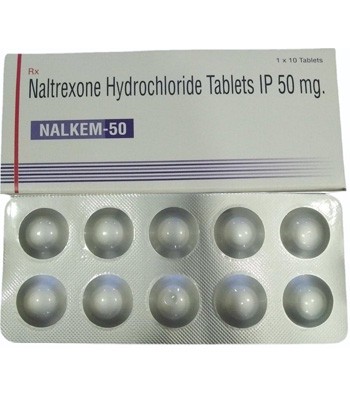
Naltrexone
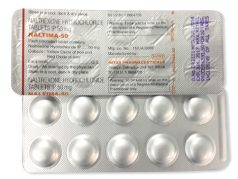
- Naltrexone is available in many countries under brand names such as Revia, Vivitrol, Adepend, Naltima, and others. It is a prescription-only medication in most major jurisdictions, but availability may vary by pharmacy and country.
- Naltrexone is used to help treat alcohol dependence and opioid dependence after detoxification. It is an opioid receptor antagonist that blocks the effects of opioids and helps reduce the rewarding effects of alcohol.
- The usual oral dose is 50 mg once daily; some regimens use 25 mg as a test dose first, or 100 mg three times weekly under supervision. The extended-release injection is usually 380 mg intramuscularly every 4 weeks.
- The form of administration is an oral tablet or an extended-release intramuscular injection.
- The effect of oral naltrexone usually begins within about 1 to 2 hours, while the injectable form begins working over the first day after administration.
- The duration of action is about 24 hours for the oral tablet, and about 4 weeks for the extended-release injection.
- Alcohol should be avoided or used only under medical guidance, because naltrexone is often prescribed to support alcohol-use treatment and does not protect against alcohol-related harm. Do not take it if you are currently using opioids or may be in withdrawal.
- The most common side effects are nausea, headache, dizziness, abdominal pain, insomnia, anxiety, and, with the injection, injection-site reactions.
- Would you like to try naltrexone without a prescription?
Basic Naltrexone Information
- INN (International Nonproprietary Name): Naltrexone
- Brand Names Available In United States: Revia and Vivitrol
- ATC Code: N07BB04
- Forms & Dosages: Tablet (oral) 25 mg, 50 mg, 100 mg; extended-release injection 380 mg per vial for monthly IM use
- Manufacturers In United States: Mallinckrodt, Accord, and Alkermes
- Registration Status In United States: FDA-approved since 1984 for oral formulation, and Vivitrol since 2006 for injection
- OTC / Rx Classification: Prescription Only (Rx)
Key Findings From Recent Trials
Major 2022–2026 Studies
Is naltrexone still worth starting when someone has already tried to quit more than once?
Recent trial and cohort data keep pointing to the same practical answer: yes, especially when the goal is reducing relapse rather than chasing a quick fix.
For alcohol use disorder, naltrexone for alcohol use disorder continues to show benefit for lowering heavy drinking days and helping people stay engaged in treatment.
For opioid addiction, naltrexone for opioid addiction is most useful after detoxification, when the person is already opioid-free and ready for an opioid antagonist approach.
Across 2022–2026 research trends, the strongest signal is adherence.
Extended-release naltrexone injection often helps patients stick with treatment because the dose is monthly and does not depend on remembering a pill every morning.
Oral Naltrexone 50 mg tablet remains important because it is easier to access, lower cost, and simple to start.
That difference matters in real life.
A patient who can fill Revia quickly at a local pharmacy may start therapy sooner than someone waiting on an injection visit, but another patient may do better with Vivitrol because daily dosing is the main barrier.
Clinical outcomes across studies generally show fewer relapse events, fewer heavy drinking days, and better craving suppression when patients stay on therapy long enough to make it work.
In opioid use disorder, the most important safety and outcome point is that naltrexone only makes sense after a full opioid-free interval and detoxification.
When started correctly, it can lower reinforcement from opioid exposure and reduce return to use, but it does not replace the need for counseling, recovery support, or overdose prevention planning.
Main Outcomes
What do clinicians watch most closely?
They look at abstinence, heavy drinking days, treatment retention, and overdose-related risk after detoxification.
For alcohol dependence, trials continue to support fewer heavy drinking days and improved abstinence rates compared with no medication.
For opioid dependence, the main advantage is relapse reduction in patients who are already detoxed and motivated to remain opioid-free.
Retention remains a challenge with oral therapy because daily adherence can slip during stress, travel, or cravings.
That is where the extended-release naltrexone injection often stands out.
It does not make treatment perfect, but it removes the “I forgot my dose” problem for an entire month.
In detoxed opioid patients, another concern is overdose-related risk if a person stops treatment and returns to opioid use at a lower tolerance level.
That is why counseling about overdose risk, naloxone access, and follow-up is part of responsible care.
Safety Observations
What side effects show up most often?
Nausea, headache, insomnia, and injection-site reactions are the ones patients bring up most.
Liver enzyme elevation can happen, so liver monitoring matters in patients with hepatic risk.
The single biggest safety rule is opioid-free initiation.
Starting naltrexone too early in someone with active opioid dependence can trigger acute withdrawal, which is preventable and dangerous.
Clinical Mechanism Of Action
Layman’s Explanation
Why does naltrexone help with drinking or opioid craving?
It blocks the opioid receptors that normally help alcohol and opioids feel rewarding.
When that reward signal is blocked, the brain gets less reinforcement from drinking or using opioids.
That can make cravings less intense and reduce the “one drink led to five” or “one use led to a relapse” pattern.
In plain terms, naltrexone takes some of the payoff out of alcohol and opioids.
Scientific Breakdown
Naltrexone Hydrochloride is a pure opioid antagonist in the ATC code N07BB04 class.
Its main receptor action is at the mu-opioid receptor, with downstream effects on reward circuitry.
That receptor blockade is why the drug is used in dependence treatment rather than as a withdrawal medication.
It does not activate the receptor the way an opioid agonist does.
It blocks it.
That is also why the medication can blunt the effect of opioid pain medicines and can precipitate withdrawal if a patient still has opioids in the system.
Why This Matters Clinically
Does it help during withdrawal?
No.
It is not a withdrawal treatment, and it must not be started in patients with active opioid dependence.
The patient needs to be opioid-free first, or the medication can cause sudden withdrawal symptoms.
That safety step is non-negotiable in Naltrexone for opioid addiction.
Scope Of Approved And Off-Label Use
United States Approvals
In the United States, oral naltrexone has been FDA-approved since 1984.
Vivitrol was approved in 2006 as the extended-release naltrexone injection.
Approved uses include alcohol dependence and opioid dependence after detoxification.
That means the medication belongs in care plans for patients who are already sober from opioids and ready for maintenance support, not for someone still actively using.
Notable Off-Label Trends
What else are people asking about?
Low-Dose Naltrexone (LDN) keeps showing up in patient forums and some specialty practices, but it is not the same as standard addiction dosing.
It is a different concept from the usual Naltrexone 50mg regimen.
Another point of confusion is bupropion naltrexone for weight loss.
That refers to a separate combination product concept, such as Contrave, and it should not be treated as interchangeable with standard naltrexone tablets.
Standard Revia and Vivitrol are the addiction-focused products most relevant here.
What Is And Isn’t Evidence-Based
The evidence is strongest for alcohol use disorder and opioid use disorder after detoxification.
Condition-specific or experimental uses should be treated carefully and discussed with a clinician.
If a patient is shopping online, it is smart to separate proven addiction treatment from wellness claims.
In our online pharmacy, naltrexone is available without a prescription, with discreet delivery to United States in 5-14 days.
That access can help patients start the conversation sooner, but it does not change the need for opioid-free initiation and medical screening.
Dosage Strategy
General Dosing
How do prescribers usually start oral therapy?
The standard adult approach is a 25 mg test dose, then 50 mg daily.
That cautious start helps some patients see how they tolerate the medicine before moving to maintenance dosing.
In selected cases, supervised alternatives such as 100 mg Monday-Wednesday-Friday or 150 mg Friday are used.
Those schedules are usually chosen when a clinician wants less frequent dosing but still prefers oral therapy.
Condition-Specific Dosing
For alcohol dependence, 50 mg per day is the common maintenance plan, often for at least 3 to 6 months, and longer if it continues to help.
For opioid dependence after detoxification, daily oral therapy is common, often for 12 weeks or more.
The monthly injection is the fixed 380 mg IM every 4 weeks regimen for Vivitrol injection.
That monthly schedule can be very helpful for patients who struggle with daily adherence.
Injectable Regimen
Vivitrol is the extended-release naltrexone injection used as 380 mg IM every 4 weeks.
It is designed for steady medication exposure over time.
Compared with Naltrexone pills, the injection can reduce missed-dose problems, but it also requires clinic access and careful injection-site follow-up.
Adjustment Cautions
Children under 18 are not typically recommended for routine use because safety and efficacy are not established.
Older adults usually do not need a special dose change unless they also have organ impairment, but they should be monitored carefully.
In hepatic impairment, use caution, and do not use it in acute hepatitis or liver failure.
In severe renal impairment, no standard dose adjustment is specified, but closer monitoring is advised.
Safety Protocols
Contraindications
What makes naltrexone a hard no?
Current physiologic opioid dependence is an absolute contraindication.
A positive opioid urine test before initiation is also a stop sign.
Acute hepatitis or liver failure is another absolute contraindication.
Known hypersensitivity to naltrexone or excipients also rules it out.
Adverse Effects
Common Naltrexone side effects include nausea, abdominal pain, diarrhea, headache, dizziness, insomnia, anxiety, and joint pain.
Some patients also report vomiting or feeling “flat,” especially early on.
Increased liver enzymes can occur.
Injection-site reactions are the main extra issue with the depot formulation.
Monitoring Priorities
Patients with hepatic risk should have liver function monitoring.
That is especially important if there is a history of liver disease or use of other hepatotoxic drugs.
For Vivitrol, injection-site surveillance matters too.
Severe redness, swelling, pain, or drainage should not be ignored.
Clear opioid-free initiation remains the most important safety protocol of all.
Interaction Mapping
Food Interactions
Are there major food restrictions?
No major food interactions are known.
If oral doses cause nausea, taking Naltrexone 50 mg with food may help some patients tolerate it better.
That small habit change can make a big difference for someone who almost quit after the first week.
Drug Combinations To Avoid
Opioids should be avoided because naltrexone blocks their effect and can precipitate withdrawal.
That includes opioid pain medicines and opioid-containing cough medicines.
It also means a patient should tell every clinician, dentist, and surgeon about naltrexone before any procedure.
Clinical Caution Points
Hepatotoxic drugs deserve extra caution in complex regimens.
Sedatives may appear in the overall medication list even though they are not direct receptor conflicts, so the full regimen should still be reviewed carefully.
Perioperative pain planning matters because opioid blockade can complicate pain control.
A clear opioid-free interval is required before starting treatment, and that rule applies whether the person is being treated for Naltrexone for alcohol dependence or Naltrexone for opioid addiction.
Patient Experience Analysis
Survey Data
What do patients say in real-world settings?
Oral therapy is often easier to start because patients can begin quickly with Naltrexone tablets.
Injection therapy may improve persistence for some people because monthly dosing takes the daily reminder out of the equation.
Nausea and feeling flat are common reasons people stop early.
When those effects show up, counseling and a realistic expectation conversation can prevent premature discontinuation.
Forum Trends
Patient reports often mention craving reduction first.
That is usually the most encouraging early sign.
Another common theme is worry about losing opioid pain relief later, especially among people with chronic pain histories.
For Vivitrol, injection-site discomfort is a frequent complaint.
People also talk about the relief of not having to think about a daily pill, which is one reason Revia and Vivitrol are both still used.
Real-World Behavior
Success usually depends on more than the prescription itself.
Counseling, monitoring, and support from family or a clinician can make the difference between a short trial and real progress.
Patients who check in regularly are more likely to stay on track, notice side effects early, and adjust the plan before they give up.
Distribution And Pricing Landscape
Market Availability
Where is naltrexone sold under recognizable names?
Revia is used in the United States and Canada.
Vivitrol is used in the United States and Canada.
Adepend is used in Germany, Lithuania, and Norway.
Naltima, Nodict, Nalcon, and Naltrex are used in India and nearby markets.
Naltrexone Accord is seen in the UK, Spain, Portugal, and the Nordics.
Naltrexona Torrex is marketed in Romania.
Naltrexone GH is registered in Australia.
Supply Chain Notes
Major suppliers include Accord Healthcare, Apotex, Sun Pharma, Mallinckrodt, Chiesi, Intas, Norameda, Synmedic, Mylan, Elite, and Sterinova.
That broad supplier base helps explain why generic naltrexone tablets are usually easier to source than branded depot products.
API suppliers also include Temad Co, LGM Pharma, Faran Shimi, EUROAPI, Sanofi, Aspen API, and Nuray Chemicals.
Pricing Drivers
Oral generic affordability is the main reason many patients start with tablets.
Brand-name depot injection usually costs more because of formulation complexity, clinic administration, and insurance processing.
Pharmacy access and coverage rules can shape the final price more than the label itself.
For some patients, Naltrexone e-pharmacy access can be a practical way to compare options and avoid delays, especially when they are ready to start treatment now.
Alternative Options
Comparison Table
| Medication | Main Use | Strengths | Limitations |
|---|---|---|---|
| Naltrexone | Alcohol use disorder; opioid dependence after detox | Non-agonist option; can reduce craving and relapse | Requires opioid-free status and adherence |
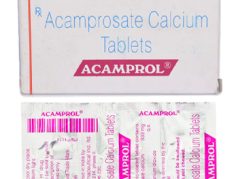
| Acamprosate | Alcohol abstinence support | Useful for maintaining abstinence | Different fit than opioid-blockade therapy |
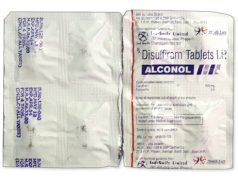
| Disulfiram | Alcohol aversion therapy | Deters drinking by making alcohol unpleasant | Depends heavily on adherence and avoidance behavior |
| Nalmefene | Alcohol dependence in some regions | Alternative alcohol-use option | Regional availability differs |
| Methadone | Opioid dependence | Agonist therapy with strong retention for many patients | Not an opioid-free antagonist approach |
| Buprenorphine | Opioid dependence | Effective maintenance option | Still an opioid agonist-based treatment |
Pros And Cons
Naltrexone fits best when the patient wants abstinence-focused care and can remain opioid-free.
It is also a strong choice for people who prefer a non-agonist treatment.
Acamprosate may be a better match for some alcohol patients focused only on abstinence support.
Methadone and buprenorphine are often better for opioid use disorder when the patient is not ready for full opioid blockade or needs a different maintenance model.
Decision Points
The best choice usually comes down to adherence and opioid-free status.
If those two boxes can be checked, naltrexone is often a very practical option.
Regulatory Status
United States And Global Status
Naltrexone is Rx only in all major jurisdictions.
In the United States, the oral product has been FDA-approved since 1984, and Vivitrol has been approved since 2006.
In Canada, it is marketed as Revia and Vivitrol.
In Europe, it is marketed through national registrations, including systems tied to EMA, AIFA Italy, and ANSM France.
In India, it is licensed by CDSCO under several brands.
In Romania, regulatory tracking includes ANMDMR registration for Naltrexona Torrex.
It is also registered in Australia as Naltrexone GH.
Brand Mapping
Other trade names include Depade, Nalorex, Narcoral, Trexan, and Vivitrex.
These names matter because packaging, leaflets, and prescribing rules can differ from region to region.
That is why Naltrexone Hydrochloride should always be matched to the local label, not just the brand name.
Compliance Implications
Regulatory status affects labeling, dispensing rules, and how prescribers document use.
It also affects whether a patient can obtain the medication in a given market and which strength is stocked locally.
Consolidated Faq
Common Patient Questions
What is naltrexone used for? It is used for alcohol dependence and for opioid dependence after detoxification.
Can I drink on it? The medicine is used to reduce drinking, not to make drinking safe, so alcohol use should be discussed with a clinician.
How long does it take to work? Some patients notice craving changes early, but steady benefit usually depends on regular use over time.
What if I miss a dose? Take the oral dose when remembered unless it is close to the next one, and do not double up.
Clinical Faq
How long does opioid washout need to be? The patient must be opioid-free before starting, and screening should confirm that status.
Do liver tests matter? Yes, especially in patients with hepatic risk or a history of liver disease.
Can it be used during pregnancy or lactation? Only if the expected benefit outweighs the risk, and the decision should be made carefully with a clinician.
Quick Answers
Short version: use it only after opioid-free initiation, monitor liver risk, and keep follow-up simple and consistent.
If the plan feels confusing, the safest next step is a pharmacist or prescriber review before the first dose.
Visual Guide
Simple Treatment Pathway
A clear treatment pathway helps patients understand what happens next.
- Screen for opioids.
- Confirm detoxification.
- Choose oral naltrexone or Vivitrol.
- Monitor response, side effects, and liver function when needed.
Timeline Graphic Ideas
An easy visual can show the oral start on day one, the monthly injection timing, and follow-up intervals after the first fill or injection.
That kind of graphic works well for patients who want a quick view of treatment steps without reading a long handout.
Safety Icons
Icons for contraindications, adverse effects, and liver monitoring checkpoints can make the safety message stick.
A simple warning symbol near opioid-free initiation is especially useful.
Storage And Transport
Tablet Storage
Naltrexone tablets should be stored at 20°–25°C (68°–77°F) and protected from moisture.
Keeping the bottle closed tightly helps preserve product quality.
Injectable Handling
Vivitrol injection should be kept refrigerated according to the specific product label and should not be frozen or exposed to excess heat.
That matters during shipping and during home-to-clinic transport.
Practical Logistics
Original packaging is best for transport.
It reduces the chance of mix-ups and helps preserve label information that patients and clinicians may need later.
Guidelines For Proper Use
Administration Basics
Daily oral use or monthly injection timing should be followed exactly as prescribed or directed by the clinician.
Routine counseling is part of proper care, not an add-on.
That combination often matters as much as the medication itself.
Missed Dose And Overdose
If an oral dose is missed, take it as soon as remembered unless the next dose is close.
Do not double the dose.
There is no specific antidote for overdose, so treatment is supportive and medical attention is needed for severe symptoms.
Best-Use Practices
Opioid-free initiation is the first rule.
Regular follow-up, liver monitoring when indicated, and adherence support are the next priorities.
For many patients, the best plan is the one they can actually keep doing.
Delivery Across United States
| City | Region | Delivery Time |
|---|---|---|
| New York | Northeast | 5-7 days |
| Los Angeles | West | 5-7 days |
| Chicago | Midwest | 5-7 days |
| Houston | South | 5-7 days |
| Phoenix | West | 5-7 days |
| Philadelphia | Northeast | 5-7 days |
| San Antonio | South | 5-7 days |
| San Diego | West | 5-7 days |
| Dallas | South | 5-7 days |
| San Jose | West | 5-7 days |
| Austin | South | 5-7 days |
| Jacksonville | South | 5-9 days |
| Columbus | Midwest | 5-9 days |
| Charlotte | South | 5-9 days |
| Indianapolis | Midwest | 5-9 days |