
Mysoline
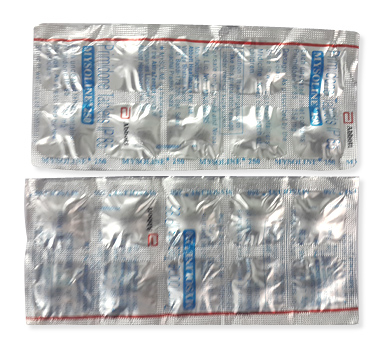
Mysoline
- In our pharmacy, you can buy Mysoline without a prescription, with delivery in 5–14 days throughout the United States. Discreet and anonymous packaging.
- Mysoline (primidone) is used to treat epilepsy (generalized and focal seizures) and is commonly used off-label for essential tremor; it is a barbiturate derivative that is metabolized to phenobarbital and phenylethylmalonamide (PEMA) and works by enhancing GABAergic inhibition and reducing neuronal excitability.
- Typical dosing starts at 100–125 mg at bedtime for adults with titration as tolerated; maintenance is often 250 mg three or four times daily for adults (pediatric dosing is weight-adjusted, often starting around 50 mg/day divided and increased gradually).
- Administered orally as tablets (commonly 100 mg and 250 mg); syrups or suspensions exist but are less widely available.
- Sedation and some anticonvulsant effects can begin within 30–60 minutes after an oral dose; peak plasma levels occur in a few hours, while full seizure control may require gradual titration over days.
- Immediate effects typically last around 8–12 hours for the parent drug, while the active metabolite phenobarbital has a much longer duration, which is why dosing is usually two to four times daily.
- Do not consume alcohol while taking Mysoline — alcohol increases central nervous system depression, worsening drowsiness, dizziness, and risk of respiratory depression.
- The most common side effect is drowsiness (sedation); other common effects include dizziness, ataxia, nausea, vomiting, and nystagmus.
- Would you like to try mysoline without a prescription?
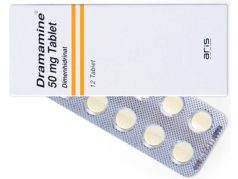
Basic Mysoline Information
- INN (International Nonproprietary Name): Primidone is the INN for this medication.
- Brand Names Available In United States: Mysoline (United States: 250 mg tablets, Bausch Health, bottle of 100 tablets with NDC 66490-691-10).
- ATC Code: N03AA03.
- Forms & Dosages: Tablets commonly available in 100 mg and 250 mg strengths; packaging example includes bottles of 100 tablets for Mysoline and generics. Occasionally suspensions or syrups exist but are not widely available.
- Manufacturers In United States: Bausch Health is licensed for Mysoline in the United States; API suppliers and manufacturers globally include Global Pharma Tek (India), Shandong Octagon Chemicals (China), and Nantong Jinghua (China).
- Registration Status In United States: FDA approved since 1954 for use as an antiepileptic.
- OTC / Rx Classification: Prescription-only (Rx); not available over-the-counter in major markets.
Key Findings From Recent Trials
Major 2022–2026 Studies
Patients and clinicians often ask whether new trials have changed how primidone is used.
Recent randomized controlled trials specifically on primidone between 2022 and 2026 are limited.
Most contemporary evidence comes from older RCTs, cohort studies, and real-world observational data.
Recent work tends to be small, open-label, or based on large database analyses rather than new large RCTs.
Comparative effectiveness and safety analyses versus newer antiepileptics and tremor agents are the focus of most recent reports.
Main Outcomes
Clinical results consistently show primidone provides meaningful reduction in essential tremor for many patients.
Tremor benefit is often observed at doses around 250 mg twice daily for essential tremor.
For seizure control, typical maintenance regimens reported in the literature fall around 250 mg three to four times daily for adults.
Smaller studies and real-world series confirm efficacy for certain generalized and focal seizure types when titrated appropriately.
Where newer drugs are compared, primidone generally preserves efficacy but is less favored because of tolerability differences.
Safety Observations
Tolerability remains the primary driver of discontinuation in modern practice.
Across study types, common adverse effects include drowsiness, ataxia, dizziness, and cognitive slowing.
Older adults and patients on multiple medications have higher rates of sedation and discontinuation.
Because primidone is a barbiturate derivative, CNS depression and additive sedative effects are frequent concerns in comparative safety work.
Regulatory status is long-standing (FDA approval since 1954), so most current research looks at comparative safety and off-label utility rather than new indications.
Clinical Mechanism Of Action
Layman’s Explanation
People often want to know how primidone helps seizures and tremor.
Primidone calms over-excitable nerve cells in the brain, which reduces abnormal electrical activity that causes seizures and tremor.
The drug is processed in the body into active components that produce sedative and anticonvulsant effects, which is why drowsiness is common at the start of treatment.
Scientific Breakdown
Primidone is a barbiturate derivative classified under ATC code N03AA03.
It is metabolized hepatically to phenobarbital and phenylethylmalonamide (PEMA), both of which contribute to anticonvulsant action.
Phenobarbital enhances GABAergic inhibition at GABAA receptors, increasing chloride influx and producing neuronal hyperpolarization.
PEMA appears to add anticonvulsant activity by mechanisms that are less well defined in the literature.
Pharmacokinetics are characterized by oral tablet formulations (commonly 100 mg and 250 mg), hepatic metabolism, and renal elimination of metabolites.
Because the metabolites are cleared through the liver and kidney, dose adjustments and careful monitoring are recommended in hepatic or renal impairment.
Class effects explain contraindications such as barbiturate hypersensitivity and porphyria, and they also underlie the risk of CNS depression.
Scope Of Approved & Off-Label Use
United States Approvals
Mysoline (primidone) is an FDA-approved antiepileptic, with approval dating back to 1954.
The marketed U.S. product includes Mysoline 250 mg tablets by Bausch Health and various generic primidone tablets.
Approved indications center on seizure control across certain generalized and focal epilepsy syndromes.
Notable Off-Label Trends
Off-label use is common for essential tremor when propranolol is contraindicated or ineffective.
Typical tremor dosing in practice often titrates toward 250 mg twice daily, balancing efficacy with tolerability.
Other off-label uses reported in clinical practice include adjunct treatment for refractory myoclonus and, less consistently, some neuropathic pain scenarios.
Cost considerations and long experience with the drug influence its use when newer antiepileptics are unavailable or poorly tolerated.
Because primidone remains prescription-only, clinicians document off-label use and counsel patients accordingly.
Dosage Strategy
General Dosing
Slow titration is the core strategy to balance benefit and CNS side effects.
Adults commonly start at 100–125 mg at bedtime and increase gradually based on response and tolerability.
Maintenance dosing for epilepsy in adults often ranges to 250 mg three or four times daily.
Children require weight-based, conservative starts often around 50 mg/day divided and careful upward titration.
Abrupt discontinuation is avoided because of the risk of seizure exacerbation; a taper is required for stopping.
Condition-Specific Dosing
Epilepsy: initiation for adults frequently begins at 100–125 mg at bedtime, moving to maintenance doses of 250 mg TID–QID as needed.
Essential Tremor (off-label): titrate slowly toward 250 mg twice daily, assessing tremor control and daytime sedation; some patients respond at lower doses.
Elderly patients: start at lower doses with slower titration due to increased sensitivity to sedation and ataxia.
Hepatic or renal impairment: exercise caution and consider dose reduction and closer monitoring because primidone metabolites are hepatically processed and can be prolonged with renal impairment.
Safety Protocols
Contraindications
Do not prescribe or take primidone if the patient has hypersensitivity to primidone, phenobarbital, or other barbiturates.
Acute intermittent porphyria is an absolute contraindication.
Use with caution in severe hepatic or renal impairment, respiratory depression, elderly or debilitated patients, and during pregnancy or breastfeeding.
Adverse Effects
Common mild-to-moderate side effects include drowsiness, lethargy, dizziness, ataxia, nausea, vomiting, and nystagmus.
Children may show mood changes or agitation more frequently than adults.
Serious risks include profound CNS depression and withdrawal seizures if the drug is stopped suddenly.
In overdose the clinical picture is marked by severe CNS depression, ataxia, nystagmus, and potentially coma; supportive care is standard and hemodialysis may be considered in severe toxicity.
Long-term safety monitoring should include periodic CBC, liver function tests, and renal function evaluation for patients on chronic therapy.
Pregnancy requires counseling because primidone is potentially teratogenic and may cause neonatal bleeding, withdrawal, or sedation.
Interaction Mapping
Food Interactions
There are no major food restrictions for primidone detailed in product information.
Taking tablets with food can reduce gastrointestinal upset for some patients.
Drug Combinations To Avoid
Primidone and its phenobarbital metabolite induce hepatic enzymes, which can lower concentrations of many co-medications.
Drugs affected may include oral anticoagulants, hormonal contraceptives, certain antidepressants, and some antipsychotics.
Combining primidone with other CNS depressants — benzodiazepines, opioids, or alcohol — increases risk of sedation, respiratory depression, and cognitive impairment.
Co-prescribing with other sedating anticonvulsants such as phenobarbital increases additive ataxia and cognitive effects and should be avoided or closely monitored.
In pregnancy enzyme induction can change exposure to co-medications and fetal exposure; clinicians should review all drugs when initiating primidone.
Before starting primidone, review the patient’s full medication list and consider therapeutic drug monitoring where applicable.
Patient Experience Analysis
Survey Data
Patients typically report meaningful seizure reduction or tremor improvement when primidone is effective.
At the same time, daytime sedation, slowed thinking, and balance problems are commonly reported and often drive discontinuation.
Older adults in surveys emphasize ataxia and increased fall risk as primary reasons to stop therapy.
Forum Trends
Online patient forums mirror formal survey findings: many describe heavy sedation during initial titration that lessens for some over weeks.
Patients note variable tremor control; some achieve good benefit at lower doses while others require 250 mg twice daily to see improvement.
Cost and brand-versus-generic availability influence adherence and perception; some patients prefer generics for price, while others report perceived consistency with branded Mysoline.
Parents report behavioral changes in children more often than adults, prompting dose adjustments or switching agents.
Clinicians report that educating patients about slow titration and advising night dosing for initial sedative effects improves adherence.
In our online pharmacy, mysoline is available without a prescription, with discreet delivery to United States in 5-14 days.
Distribution & Pricing Landscape
Primidone distribution mixes branded Mysoline and a range of generics, which keeps prices generally lower than many newer antiepileptics.
Mysoline 250 mg tablets are marketed in the United States by Bausch Health in bottles of 100 tablets (NDC 66490-691-10).
API suppliers listed in global supply chains include manufacturers from India and China such as Global Pharma Tek, Shandong Octagon Chemicals, and Nantong Jinghua.
Market dynamics show limited branded competition for Mysoline but broader generic production internationally that helps moderate retail pricing.
Insurance coverage varies and cost sensitivity can affect off-label use for essential tremor.
Pharmacies and wholesalers check NDC and manufacturer lot numbers and store the product at room temperature, protected from moisture, to maintain stability.
Supply chain risks such as API shortages or regulatory inspections of overseas facilities can temporarily affect availability and pricing.
Alternative Options
Comparison Table
Below are commonly considered alternatives for seizures and for essential tremor, with short pros and cons for each.
- Phenobarbital — Another barbiturate-class anticonvulsant with similar efficacy but a higher burden of sedation and cognitive effects.
- Phenytoin (Dilantin) — Effective for many seizure types with complex pharmacokinetics and significant interactions to consider.
- Carbamazepine (Tegretol) — Useful for focal epilepsy; enzyme inducer with risks including hyponatremia and drug interactions.
- Valproic Acid (Depakene) — Broad-spectrum anticonvulsant effective for many seizure types but with teratogenic and metabolic risks.
- Propranolol — First-line non-sedating option for essential tremor; often tried before or alongside primidone.
- Gabapentin — Variable efficacy for tremor with a generally favorable tolerability profile for some patients.
Pros And Cons
Primidone Pros: established efficacy for select seizure types and essential tremor, low direct drug cost, and broad generic availability.
Primidone Cons: sedation, ataxia, significant drug interactions due to enzyme induction, reproductive safety concerns, and need for monitoring in long-term use.
Selection Guidance: favor primidone when proven tremor response, cost constraints, or clinician experience justify use; prefer alternatives when pregnancy, heavy polypharmacy, or sedation risk make primidone less suitable.
Regulatory Status
U.S. Landscape
Primidone (Mysoline) is FDA-approved since 1954 as an antiepileptic medicine and is prescription-only in the United States.
Mysoline 250 mg tablets by Bausch Health are registered with an NDC for U.S. distribution.
International Notes
Primidone is listed under the International Nonproprietary Name primidone and marketed under various trade names worldwide such as Primaclone, Lepimidin, Liskantin, Mylepsinum, Primidon Holsten, Sertan, and Resimatil.
Formulations are commonly 100 mg and 250 mg tablets with national approval pathways used in many countries rather than a single centralized authorization everywhere.
The ATC classification remains N03AA03 for antiepileptics, barbituric acid derivatives.
Consolidated FAQ
Common Patient Questions
What is Mysoline?
Mysoline is the brand name for primidone, an antiepileptic barbiturate (INN: primidone).
How is it taken?
Tablets are available in 100 mg and 250 mg strengths; initial adult dosing often starts at 100–125 mg at bedtime with gradual titration.
Will it make me sleepy?
Drowsiness and dizziness are common, especially during the initial titration period; these effects may lessen over time but are a frequent reason for dose adjustment.
What about pregnancy?
Primidone is potentially teratogenic and may cause neonatal bleeding, withdrawal, or sedation; counsel and consider alternatives for patients who are pregnant or planning pregnancy.
What should I do in case of overdose?
Seek immediate medical help; overdose can cause severe CNS depression, ataxia, nystagmus, and possibly coma; supportive care is the main treatment and hemodialysis may be used in severe cases.
Clinician Quick-Reference
Initiation: consider 100–125 mg at bedtime for adults; pediatric starts are weight-based and often lower (around 50 mg/day divided).
Maintenance: 250 mg TID–QID for epilepsy or 250 mg BID for tremor as tolerated by the patient.
Contraindications: hypersensitivity to primidone, phenobarbital, or other barbiturates; acute intermittent porphyria.
Monitoring: baseline and periodic CBC, LFTs, and renal function for long-term therapy.
Product specifics to note: Mysoline 250 mg tablets (Bausch Health, bottle of 100, NDC 66490-691-10) with generics also available.
Tapering: provide written taper plans to avoid abrupt cessation and withdrawal seizures.
Visual Guide
Tablet Identification
Primidone tablets are commonly 250 mg or 100 mg and come as Mysoline brand bottles of 100 tablets or generics from other manufacturers.
Tablet color, imprint, and shape vary by manufacturer; always verify NDC or imprint when dispensing to avoid errors.
For U.S. purchases the Mysoline bottle is labeled with NDC 66490-691-10 for the 250 mg product.
Dosing Titration Flowchart
Week 1: Start 100–125 mg at bedtime.
Weeks 2–4: If tolerated, increase to 100–125 mg twice daily.
Week 4–6: Consider 250 mg twice daily or three times daily based on response and side effects.
Maintenance: For epilepsy, many adults require 250 mg TID–QID; for tremor, 250 mg BID is a common target.
Monitoring checkpoints: reassess sedation, ataxia, and labs (CBC, LFTs, renal function) at baseline and periodically thereafter.
Discontinuation: taper gradually over weeks to months to prevent seizure recurrence.
Storage & Transport
Pharmacy Handling
Store primidone tablets at controlled room temperature, roughly 20–25°C (68–77°F).
Protect from moisture and keep in tightly closed original containers.
For wholesalers, confirm lot numbers and comply with Good Distribution Practices to maintain product integrity.
Patient Storage Instructions
Keep the medication in its original container at room temperature away from bathrooms or sinks to reduce moisture exposure.
Store out of reach of children and check expiration dates before use.
If tablets show unusual discoloration or odor, advise patients to return them to a pharmacy for inspection.
Guidelines For Proper Use
Prescriber Checklist
- Confirm indication and rule out absolute contraindications such as barbiturate hypersensitivity and acute intermittent porphyria.
- Document baseline labs: CBC, liver function, and renal function.
- Review the full medication list for interactions and enzyme-induction effects.
- Start low (100–125 mg at bedtime) and plan a gradual titration to maintenance dosing.
- Discuss pregnancy/breastfeeding risks and record counseling in the chart.
- Provide a written taper plan and follow-up schedule.
Patient Counseling Points
Warn patients about sedation, dizziness, and impaired coordination; advise against driving until they know how primidone affects them.
Recommend avoiding alcohol and other CNS depressants while on primidone.
Advise taking tablets with food if gastrointestinal upset occurs, and tell patients not to double doses if one is missed.
Explain the need for periodic blood tests during long-term therapy and the importance of gradual tapering to stop safely.
If cost is a concern, discuss generic options versus branded Mysoline and monitor clinical response after any switch.
Delivery Across United States
| City | Region | Delivery Time |
|---|---|---|
| New York | Northeast | 5-7 days |
| Los Angeles | West | 5-7 days |
| Chicago | Midwest | 5-7 days |
| Houston | South | 5-7 days |
| Phoenix | West | 5-7 days |
| Philadelphia | Northeast | 5-7 days |
| San Diego | West | 5-7 days |
| Dallas | South | 5-9 days |
| San Jose | West | 5-9 days |
| Austin | South | 5-9 days |
| Jacksonville | South | 5-9 days |
| Columbus | Midwest | 5-9 days |
| Fort Worth | South | 5-9 days |
| Charlotte | South | 5-9 days |
Closing Notes For Clinicians And Patients
When choosing primidone, weigh clear benefits in seizure control and essential tremor against predictable tolerability issues such as sedation and ataxia.
Use slow dose titration and periodic laboratory monitoring to reduce risk and improve long-term adherence.
Document counseling on reproductive risks and provide written tapering instructions to avoid abrupt cessation.
Confirm brand and NDC when dispensing — for Mysoline 250 mg the U.S. bottle of 100 tablets is NDC 66490-691-10 — and verify patient understanding of storage and interaction precautions.
For cost-sensitive patients, generics are widely available and often control expense while preserving clinical effect; monitor closely after any product switch.
If you suspect overdose or severe adverse effects, seek emergency care immediately and consider supportive measures including hemodialysis for severe toxicity.