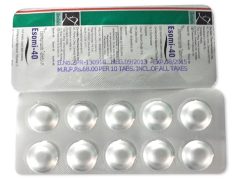
Hydroxyzine
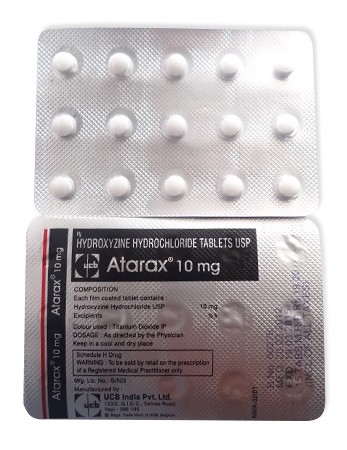
Hydroxyzine
- In some pharmacies, hydroxyzine may be available without a prescription, but in most countries it is a prescription-only medicine. Availability depends on local laws and pharmacy policy.
- Hydroxyzine is used for anxiety, itching (pruritus), allergic symptoms, and sometimes short-term sleep or pre-procedure sedation. It is a first-generation antihistamine that blocks H1 histamine receptors and also has sedating, anticholinergic, and anxiolytic effects.
- The usual adult dose is 25 mg 2 to 3 times daily for itching, or 50 to 100 mg/day divided for anxiety. Typical maximum daily dose is 100 mg. Dosing should be lower in children, older adults, and patients with liver or kidney impairment.
- The form of administration is oral tablets, capsules, syrup/oral solution, and in some settings injectable solution.
- The effect usually begins within 15 to 30 minutes after oral use, and sedation may be noticed fairly quickly.
- The duration of action is usually about 4 to 6 hours for a single oral dose, sometimes longer for sedative effects.
- Avoid alcohol because it can greatly increase drowsiness, dizziness, and impaired coordination.
- The most common side effects are drowsiness, dry mouth, fatigue, blurred vision, constipation, and sometimes nausea.
- Would you like to try hydroxyzine without a prescription?
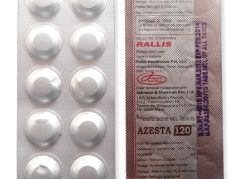
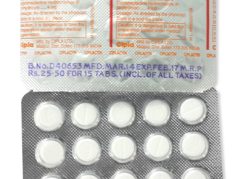
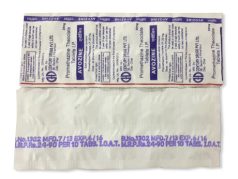
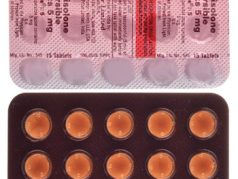
Basic Hydroxyzine Information
- INN (International Nonproprietary Name): Hydroxyzine
- Brand names available in United States: Vistaril
- ATC Code: N05BB01
- Forms & dosages: Tablets 10 mg, 25 mg, 50 mg; capsules 25 mg, 50 mg; syrup/solution 2 mg/mL; injectable 25 mg/mL, 50 mg/mL
- Manufacturers in United States: Pfizer
- Registration status in United States: FDA approved as Vistaril and generics
- OTC / Rx classification: Prescription-only in nearly all markets
Key Findings From Recent Trials And Safety Trends
Major 2022–2026 Studies
Main Outcomes
Hydroxyzine remains a familiar option for pruritus, allergy symptoms, and short-term anxiety relief, but the recent clinical conversation is less about expanding uses and more about safety. As a first-generation antihistamine with ATC code N05BB01, it still has a clear role in day-to-day pharmacy practice. In the United States it is sold as Vistaril and generics, while European regulators continue to keep a close watch because of cardiac risk. That matters because many patients come in asking for hydroxyzine studies after hearing it is useful for sleep or anxiety, yet the newest evidence keeps pointing back to the same tradeoff: symptom relief versus predictable sedation and cardiac caution.
Safety Observations
The strongest pattern in hydroxyzine risk trends is the reaffirmation of QT prolongation and torsades risk in patients with polypharmacy, higher doses, or baseline heart disease. This is the same concern reflected in Vistaril side effects and the Atarax cardiac risk discussions that pharmacists hear about every week. Older adults are especially sensitive because sedation, anticholinergic effects, and rhythm risk can stack up quickly. For that reason, current practice favors the smallest effective dose for the shortest possible time, especially when another QT-prolonging drug is already on the medication list.
What Newer Evidence Emphasizes
QT Prolongation Signal
Hydroxyzine QT prolongation remains the key safety issue to screen before use. The practical concern is not just a theoretical ECG change. It is the real-world combination of risk factors such as electrolyte abnormalities, cardiac history, and interacting prescriptions. That is why hydroxyzine safety checks should always happen before a new start, refill, or dose increase.
Older Adult Sensitivity
Hydroxyzine risk trends in older adults are consistent across pharmacy settings. The drug can work well, but the margin for error is smaller. Falls, next-day grogginess, and confusion become more likely, especially if the patient already uses other sedating medicines.
Practical Takeaway
Low-Dose, Short-Duration Use
The best clinical use of hydroxyzine is still short-term symptom control at the lowest effective dose. That keeps the benefit high and the safety burden lower.
Monitoring Focus
Monitoring should focus on cardiac history, concurrent sedatives, and other QT-prolonging drugs. A quick medication review often prevents the kind of problem that turns a simple refill into an urgent call.
Clinical Mechanism Of Action
Layman’s Explanation
Hydroxyzine helps calm itching, sneezing, runny nose, and some allergic skin reactions by blocking histamine H1 receptors. That is why patients often notice it helping when hydroxyzine for itching is not controlled well enough by a non-sedating antihistamine. It also belongs to the anxiolytic piperazine derivative class, which explains why hydroxyzine for anxiety is still part of routine prescribing in the United States.
Scientific Breakdown
As a hydroxyzine H1 blocker, the drug reduces the body’s response to histamine at the receptor level. Because it is a hydroxyzine pharmacology example of a first-generation antihistamine, it crosses into the brain more easily than cetirizine or loratadine. That brain penetration is what makes hydroxyzine sedation so noticeable. The same central effects can be useful for procedural calming or nighttime relief, but they also explain why people can feel slowed down, forgetful, or unsteady after a dose.
Why It Feels Sedating
CNS penetration is the main reason hydroxyzine can make someone drowsy within a relatively short time. Anticholinergic effects add to that sleepy, dry-mouth feeling that many patients describe after the first dose.
Why The Mechanism Matters Clinically
The same pharmacology that helps with off-label sleep use and procedure premedication can create problems in older adults. Sedation, impaired alertness, and falls are not rare complaints when the dose is too high or when the medicine is paired with other depressants.
Scope Of Approved And Off-Label Use
United States Approvals
In the U.S., hydroxyzine is a prescription medication sold as Vistaril and as generic hydroxyzine hydrochloride or hydroxyzine pamoate. Its main approved uses include allergy symptoms, pruritus, anxiety, and premedication for procedures. Patients often hear hydroxyzine approved uses described in very practical terms: “for itch,” “for nervousness,” or “before surgery to take the edge off.” That simple framing is usually accurate.
Notable Off-Label Trends
Off-label use often centers on insomnia or short-term calming, especially when clinicians want a non-benzodiazepine option. Many people search for hydroxyzine for anxiety because they want relief without a controlled substance. The tradeoff is predictable sedation, anticholinergic burden, and caution in people with cardiac risk. In our online pharmacy, hydroxyzine is available without a prescription, with discreet delivery to United States in 5-14 days, which is one reason it gets attention from people who need a practical access option.
Sleep Aid Use
Hydroxyzine is often used at bedtime when itching keeps someone awake or when a clinician wants short-term sedation. That use is common, but long-term nightly use is generally not preferred.
Acute Anxiety Relief
Hydroxyzine prescription use for anxiety usually fits short bursts of stress, procedure anxiety, or temporary symptom control. It is often chosen when benzodiazepines are not a good fit, but it still deserves the same safety review as any other sedating medicine.
Dosage Strategy
General Dosing
Hydroxyzine comes in several commercial forms, including tablets 10 mg, 25 mg, and 50 mg; capsules 25 mg and 50 mg; syrup or solution at 2 mg/mL; and injectable products at 25 mg/mL or 50 mg/mL. The right hydroxyzine dosage depends on the indication, age, and overall risk profile. A patient asking for hydroxyzine 25 mg for itch is not the same as a patient needing short-term pre-op sedation.
Condition-Specific Dosing
For pruritus, a common adult regimen is 25 mg two to three times daily, with 100 mg/day as a typical maximum. For anxiety, 50 to 100 mg/day divided is commonly listed. Some patients also ask about hydroxyzine syrup when swallowing tablets is difficult, and the oral solution can be a useful alternative in those cases.
Pediatrics
Hydroxyzine pediatric dose is weight-based. Children need lower doses, and use should be avoided in very young infants. The practical rule is simple: do not guess, and do not scale an adult dose down casually.
Elderly And Organ Impairment
Older adults should start low because hydroxyzine syrup, tablets, or capsules can all produce more sedation than expected. Dose reduction is also recommended in renal or hepatic impairment because the medicine may be handled less predictably.
Practical Dosing Principle
Hydroxyzine should usually be used for days to a few weeks, not as a forever medication. If a dose is missed, the safest move is to take it when remembered unless the next dose is close. Doubling up is not a good fix, and it increases sedation without making the medicine work better.
Safety Protocols
Contraindications
Key contraindications include allergy to hydroxyzine or related cetirizine or levocetirizine, QT prolongation, and first-trimester pregnancy. Severe hepatic dysfunction is also a major concern. That is why hydroxyzine contraindications need to be checked against the full medication and pregnancy history before a prescription is filled or a refill is approved.
Adverse Effects
The most reported hydroxyzine side effects are drowsiness, fatigue, dry mouth, blurred vision, constipation, nausea, and vomiting. Those anticholinergic symptoms are the classic first-generation antihistamine profile, and they are why some patients stop the drug after one or two doses.
Serious Safety Issues
Hydroxyzine QT risk is the serious issue that should not be overlooked. Rare cardiovascular events can occur, especially with overdose or in predisposed patients. Overdose may cause extreme drowsiness, seizures, and arrhythmia, which requires urgent hospital evaluation.
Monitoring Priorities
Frail adults, patients with urinary retention, glaucoma, myasthenia gravis, or multiple QT-prolonging drugs need close review before hydroxyzine is started. A quick look at the chart often tells the whole story.
Interaction Mapping
Food Interactions
Hydroxyzine does not have a major food-specific interaction profile. The bigger issue is alcohol, which can intensify sedation and make the medicine feel much stronger than expected.
Drug Combinations To Avoid
Hydroxyzine interactions matter most with other drugs that prolong the QT interval or depress the central nervous system. That includes benzodiazepines, opioids, sleep aids, and other antihistamines because of additive sedation. When hydroxyzine alcohol use is added on top, the sleepy effect can become unsafe very quickly.
High-Risk Combinations
Hydroxyzine QT drugs are the main concern because the combined effect can raise arrhythmia risk. This is a common reason pharmacists pause and call the prescriber before dispensing.
Practical Screening Rule
Check cardiac history and the full medication list before hydroxyzine is started. Family history of long QT, electrolyte imbalance, and multiple interacting prescriptions should all trigger a careful review.
Patient Experience Analysis
Survey Data
Patient-reported hydroxyzine reviews usually sound like a tradeoff. People like the relief from itching or anxiety, but they also notice sedation right away. That is especially true when the medicine is used for sleep or for a procedure.
Forum Trends
Hydroxyzine for sleep often gets described as “heavy” sleep with next-day grogginess. Hydroxyzine for itch tends to earn better comments when non-sedating antihistamines have not worked well enough. The most common pattern is simple: fast relief, but a clear hangover effect in some users.
What Patients Value
Many patients like that hydroxyzine is not a benzodiazepine and is usually seen as easier to access than stronger anxiolytics. That is one reason the medicine keeps showing up in pharmacy conversations for short-term calming.
Common Complaints
Hydroxyzine drowsiness, mental fog, dry mouth, and trouble driving are frequent complaints, especially at higher doses or when combined with other sedatives. Those complaints are not surprising. They are part of the drug’s known profile.
Distribution And Pricing Landscape
Hydroxyzine has broad distribution across the U.S., EU, LATAM, India, MENA, and APAC. Brand names include Vistaril, Atarax, Adzin, Hydroze, Drotizin, Hidroxizina Eurofarma, Hidroxin, and Hidroxicina La Santé. Packaging commonly includes blister tablets, syrup bottles, oral solutions, and ampoules.
The market is mostly an originator-plus-generics structure, with manufacturers such as Pfizer, UCB Pharma, Eurofarma, Unichem, Laboratorio Prater, Sanolabor, GeoLab, La Santé, Genfar, and Mavi. Hydroxyzine generics are usually affordable because the product is mature, but pricing still varies by formulation and dispensing channel. That is why shoppers who search for Vistaril price or Atarax tablets can see wide variation from one pharmacy to the next.
Hydroxyzine brand names also differ by country, so local authorization should always be checked through current regulator databases before import, dispensing, or travel use. Patients comparing hydroxyzine tablets, capsules, and syrup should also remember that the package size and concentration can change the final price more than the name on the box.
Alternative Options
Comparison Table
| Medicine | Main Advantage | Main Drawback |
|---|---|---|
| Cetirizine | Less sedating | May not help as much with calming |
| Levocetirizine | Daytime allergy control | Still not a strong sedative |
| Loratadine | Low drowsiness | Less helpful when strong sedation is desired |
| Diphenhydramine | Readily recognized allergy option | Often sedating and anticholinergic |
| Promethazine | Useful in selected short-term cases | Can also be sedating |
Hydroxyzine vs cetirizine is usually a choice between stronger sedation and less sedation. Hydroxyzine vs diphenhydramine often comes down to symptom target, timing, and how much daytime function the patient needs. For daytime allergy control, cetirizine or loratadine may fit better. For anxiety plus itching, hydroxyzine can still win because it offers both antihistamine and calming effects.
Regulatory Status
Hydroxyzine is FDA approved in the United States as Vistaril and generics, and it is approved in the EU under brands such as Atarax with PRAC-CMDh risk minimization because of cardiac risk. It is also authorized across Latin America and Asia under local brand names. That means hydroxyzine EMA and FDA status are both established, but the safety messaging is not identical across regions.
The medicine is prescription-only in nearly all markets because it affects the central nervous system and can contribute to QT prolongation. Brand names, packaging, and legality vary by country, so database checking is smart before dispensing or traveling with it. In practice, hydroxyzine Rx only status reflects the fact that the medicine is effective but not harmless.
Consolidated FAQ
Common Patient Questions
Q: What is hydroxyzine used for? A: Allergy symptoms, itching, anxiety, and short-term sedation.
Q: Is it addictive? A: It is not a controlled substance, but sedation and tolerance can limit long-term use.
Q: How fast does it work? A: It is often used for relatively quick symptom relief, especially for itching or calming.
Q: Can I take it every night? A: Long-term nightly use is usually not preferred; the shortest effective duration is recommended.
Q: Why avoid it with heart rhythm problems? A: Because of QT prolongation risk.
Clinician Quick Answers
Hydroxyzine for anxiety and hydroxyzine for itching are the most common patient questions, and both can be answered with the same safety-first message. It can help, but the dose, timing, and cardiac history matter more than many patients expect. That is also why Vistaril side effects should be discussed before the first dose rather than after a problem starts.
Visual Guide
A simple hydroxyzine dosage chart can help patients and caregivers see who may benefit, what forms exist, and who should avoid treatment. The commercial forms include 10 mg, 25 mg, and 50 mg tablets or capsules, 2 mg/mL syrup, and injectable products. A visual safety tree can separate allergy and itch use from anxiety or off-label sleep use, then flag contraindications like QT prolongation or first-trimester pregnancy.
Visual blocks also make hydroxyzine pamoate and hydroxyzine hydrochloride easier to compare at a glance. That reduces misuse and improves comprehension, especially for families filling a prescription for the first time.
Storage And Transport
Hydroxyzine should be stored below 25°C, protected from light and moisture, with syrups tightly closed and tablets kept in original packaging. No cold chain is needed. That makes hydroxyzine easy to keep in a medicine cabinet, clinic drawer, or pharmacy shelf.
Transport is also straightforward because the medicine is stable at room temperature. The main quality issues are excess heat, moisture, and damaged packaging. Blister packs and sealed bottles help protect the product during shipping and home storage.
Guidelines For Proper Use
Hydroxyzine works best when used short term, at the lowest effective dose, and only when the expected benefit outweighs sedation and cardiac risk. For pruritus, a common adult dose is 25 mg two to three times daily, with 100 mg/day as a usual maximum. For anxiety, 50 to 100 mg/day divided is commonly listed.
If a dose is missed, take it when remembered unless the next dose is near. Do not double up. If an overdose is suspected, urgent hospital evaluation is needed because severe drowsiness, seizures, and arrhythmia can occur. Avoid first-trimester use, and review renal or hepatic impairment carefully before starting therapy.
Delivery Across United States
| City | Region | Delivery Time |
|---|---|---|
| New York | Northeast | 5-7 days |
| Los Angeles | West | 5-7 days |
| Chicago | Midwest | 5-7 days |
| Houston | South | 5-7 days |
| Phoenix | West | 5-7 days |
| Philadelphia | Northeast | 5-7 days |
| San Antonio | South | 5-7 days |
| San Diego | West | 5-7 days |
| Dallas | South | 5-7 days |
| San Jose | West | 5-7 days |
| Austin | South | 5-7 days |
| Jacksonville | South | 5-9 days |
| Columbus | Midwest | 5-9 days |
| Charlotte | South | 5-9 days |
| Seattle | West | 5-7 days |