
Dulcolax
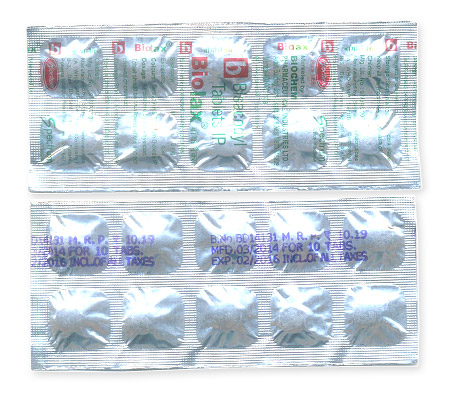
Dulcolax
- In many pharmacies dulcolax (bisacodyl) is available over‑the‑counter without a prescription; you can also purchase it from online pharmacies with home delivery and discreet packaging.
- Dulcolax is used for occasional constipation and bowel cleansing before procedures; it is a stimulant laxative (bisacodyl) that increases colon peristalsis and promotes water secretion into the bowel.
- Usual adult dose for constipation is oral 5–10 mg once daily (1–2 tablets) or a single 10 mg suppository; for bowel evacuation regimens doses of 10–20 mg orally the night before plus a 10 mg suppository the next morning are used under medical guidance; pediatric dosing and higher/medical doses require physician advice.
- Forms of administration include enteric-coated oral tablets (5 mg), rectal suppositories (10 mg), and rectal enema solutions (10 mg/30 mL); swallow tablets whole and do not chew or crush them.
- Onset: oral tablets typically begin working in about 6–12 hours; rectal suppositories usually act within 15–60 minutes; enemas can work within minutes.
- Duration of action is generally limited to the bowel evacuation produced (effects occur over a few hours, with bowel movements usually completed within 24 hours); prolonged use is not recommended.
- Avoid excessive alcohol while using dulcolax because alcohol can worsen dehydration and GI irritation; maintain adequate hydration.
- The most common side effect is abdominal cramps; other frequent effects include diarrhea, nausea, rectal irritation (with suppositories), faintness, and risk of dehydration or electrolyte imbalance.
- Would you like to try dulcolax without a prescription?
Key Findings From Recent Trials
Basic Dulcolax Information
- INN (International Nonproprietary Name): Bisacodyl
- Brand Names Available In United States: Dulcolax, Fleet
- ATC Code: A06AB02 — Laxatives, stimulant laxatives for oral or rectal use
- Forms & Dosages: Enteric-coated tablet 5 mg (oral); suppository 10 mg (rectal); enema solution 10 mg/30 mL (rectal)
- Manufacturers In United States: Sanofi, Bayer Consumer Care, Fleet
- Registration Status In United States: Classified under the FDA OTC monograph for stimulant laxatives; OTC availability in most countries
- OTC / Rx Classification: Over-the-counter (OTC) in most countries; some procedural or high-dose uses may be physician-directed
Major 2022–2026 Studies
What did recent trials tell clinicians and patients about dulcolax and bisacodyl use?
High-quality randomized trials and systematic reviews published between 2020 and mid-2024 focused on two main clinical settings: colonoscopy bowel preparation and occasional constipation relief.
Across procedural studies, bisacodyl was most often tested as an adjunct to low-volume polyethylene glycol (PEG) regimens to reduce total laxative volume while keeping bowel cleanliness similar to traditional high-volume PEG alone.
For occasional constipation, randomized comparisons emphasized single-dose oral 5–10 mg tablets and single 10 mg suppositories, tracking onset, tolerability, and patient satisfaction.
Main Outcomes
Trials consistently found that adding bisacodyl to reduced-volume PEG produced noninferior bowel cleansing compared with large-volume PEG alone.
Short oral courses of bisacodyl (single 5–10 mg dose) gave predictable bowel movements within about 6–12 hours for most adults.
Rectal 10 mg suppositories produced evacuation faster, typically within 15–60 minutes.
Compared with osmotic agents like polyethylene glycol, bisacodyl provided a faster onset of action, which patients often prefer when rapid relief or timely bowel prep is desired.
Safety Observations
Randomized trials reported more transient abdominal cramping and higher rates of diarrhea-related discontinuation with bisacodyl versus osmotics.
Observational safety studies raised caution about electrolyte shifts and dehydration when bisacodyl was used with aggressive purgatives or in frail and elderly patients.
Case series highlighted that prolonged daily use can cause persistent electrolyte disturbance and reinforces the label advice to limit use to short courses.
Regulatory labels and practice guidance continue to support OTC short-term use and physician-directed higher-dose regimens for procedural bowel evacuation.
Clinical Mechanism Of Action
Layman’s Explanation
How does Dulcolax work in plain terms?
Dulcolax (bisacodyl) is a stimulant laxative that makes the colon contract more and helps the bowel draw in fluid, producing a relatively fast and predictable bowel movement.
Tablets are designed to dissolve in the intestine so the effect happens after a few hours, and suppositories act locally for a quicker result.
Scientific Breakdown
What is happening at the molecular level?
Bisacodyl is a prodrug that is hydrolyzed by intestinal enzymes and gut bacteria to an active phenol derivative that acts locally in the colon.
The active metabolite stimulates the colonic mucosa and the enteric nervous system rather than producing a systemic effect.
Cellular & Mucosal Effects
The active phenol derivative increases mucosal electrolyte and water secretion through secretagogue mechanisms.
Prostaglandin-mediated pathways are believed to contribute to increased secretion and motility following local activation.
Motility Effects
Bisacodyl stimulates the myenteric plexus and local peristaltic reflexes, increasing colonic contractility and accelerating transit.
Enteric-coated oral tablets resist stomach acid so the active metabolite forms in the intestine, while suppositories deliver direct rectal mucosal stimulation for faster onset.
Important administration note: swallow enteric-coated 5 mg tablets whole and avoid chewing or crushing to prevent premature gastric release and irritation.
Scope Of Approved And Off-Label Use
United States Approvals
What is dulcolax approved for in the US?
Bisacodyl (Dulcolax) is registered for short-term relief of occasional constipation in adults and children and for bowel cleansing prior to surgery or endoscopic procedures.
The drug is widely available OTC under the FDA OTC monograph for stimulant laxatives, and rectal forms are sold under familiar retail brands like Fleet.
Notable Off-Label Trends
How do clinicians use bisacodyl beyond label wording?
Clinicians commonly pair bisacodyl with low-volume PEG or sodium picosulfate in split-dose colonoscopy regimens to improve tolerability and reduce laxative volume.
In some acute situations, bisacodyl is used as a short-term rescue agent for opioid-induced constipation, though longer-term opioid-related constipation is often managed with osmotic laxatives or peripherally acting mu-opioid receptor antagonists when appropriate.
Regulatory nuance: some countries limit procedural or high-dose uses to prescription contexts, but in the United States many common dosing regimens for bowel prep are instituted by clinicians using OTC products as components of prep protocols.
Dosage Strategy
General Dosing
What are the typical over-the-counter doses?
For occasional constipation, adults usually take 5–10 mg orally once daily using the enteric 5 mg tablet, or a single 10 mg suppository for rectal action.
Always swallow enteric tablets whole with water and avoid milk or antacids around the time of dosing.
Condition-Specific Dosing
How do doses change for bowel prep or other uses?
Bowel evacuation regimens often use 10–20 mg orally the night before the procedure followed by a 10 mg suppository the morning of the procedure under physician direction.
For occasional constipation a single 5–10 mg oral dose is typical, and the 10 mg suppository is reserved when faster rectal action is needed.
Pediatric & Elderly Adjustments
Children older than 6 years may use oral 5 mg or rectal 5–10 mg once daily, and children under 6 years should be evaluated by a physician before use.
There is no formal numeric dose reduction for the elderly, but caution is advised because of higher risks of dehydration and electrolyte disturbances.
Duration limits: do not use bisacodyl for more than one week without medical supervision to avoid dependence and electrolyte problems.
Missed dose guidance: skip a missed dose if it is close to the next scheduled dose and do not double doses to compensate.
In the event of overdose, seek urgent care for severe diarrhea, cramps, or signs of electrolyte imbalance.
Safety Protocols
Contraindications
Who should not use bisacodyl?
Do not use dulcolax if there is a known allergy to bisacodyl or any excipient in the product.
Do not use bisacodyl with suspected bowel obstruction, ileus, acute surgical abdomen, severe dehydration, or acute appendicitis.
Avoid stimulant laxatives in severe inflammatory bowel disease such as active Crohn disease, ulcerative colitis, or proctitis.
Adverse Effects
What side effects should patients expect?
Common mild effects include abdominal cramps, discomfort, diarrhea, nausea, and faintness.
Rectal forms may cause transient rectal irritation.
Moderate risks include dehydration and electrolyte imbalance when used excessively or with aggressive purgative combinations.
Monitoring & Laboratory Considerations
In high-risk patients—such as the elderly, those who are frail, or patients on diuretics or corticosteroids—monitor fluid balance and electrolytes if bisacodyl is used repeatedly or at higher doses.
Pregnancy and breastfeeding: bisacodyl should be used only if clearly needed and after discussing risks and benefits with a clinician.
Counseling points: stop the product and seek medical attention for severe abdominal pain, persistent diarrhea, fever, or signs of dehydration like dizziness and reduced urine output.
Interaction Mapping
Food Interactions
What foods or common OTC items change how dulcolax works?
Do not take enteric-coated bisacodyl tablets with milk or antacids, because these can damage the enteric coating and cause premature gastric release and stomach irritation.
Always swallow tablets whole with a glass of water to preserve the enteric coating until it reaches the intestine.
Drug Combinations To Avoid
Which medicines raise risks when taken with bisacodyl?
Concurrent use of other stimulant laxatives such as senna or sodium picosulfate increases the risk of cramping and severe diarrhea.
Drugs that increase fluid or electrolyte losses, including diuretics and systemic corticosteroids, can compound dehydration and electrolyte disturbances when taken with bisacodyl.
Rapid gastrointestinal transit produced by stimulant laxatives can reduce absorption of oral medications, so review critical drugs when frequent laxative use is planned.
Clinical Interaction Notes
Assess polypharmacy in elderly patients and review all bowel agents to avoid duplication when bisacodyl is part of a bowel prep.
For rectal forms, topical drug interactions are minimal, but avoid use if there is significant rectal inflammation or injury.
Patient Experience Analysis
Survey Data
What do patients report in structured surveys?
OTC purchasers usually report high satisfaction with bisacodyl for fast onset and predictable bowel movements.
Common complaints in surveys focus on cramping and urgency, which are more frequent than with gentler osmotic agents.
In colonoscopy prep surveys, regimens that include bisacodyl plus low-volume PEG score better on tolerability and patient acceptability compared with traditional high-volume PEG alone.
Forum Trends
What do people say in forums and social media?
Common practical tips include taking the oral dose at bedtime for morning relief and using a suppository when a faster effect is required.
Patients commonly ask about dependence and long-term safety, so reinforce the label instruction to limit use to short courses and consult a clinician for chronic constipation.
Vulnerable groups such as older adults often report more concern about dehydration and urge clearer guidance from clinicians before use.
Distribution And Pricing Landscape
Retail & Pharmacy Channels
Where can dulcolax be bought?
Dulcolax is widely available OTC through community pharmacies, supermarkets, and online retailers across the United States and other markets.
Pricing depends on brand versus generic status and pack size, with generics usually offering lower retail prices for the same bisacodyl 5 mg tablet or 10 mg suppository strengths.
For institutional buyers such as hospitals and endoscopy centers, bisacodyl is often procured in bulk or as part of combined bowel prep kits paired with PEG solutions.
Global Manufacturer Footprint
Who supplies bisacodyl worldwide?
Primary brand ownership and licensing vary by region, with Sanofi historically a major brand owner and other suppliers including Rottapharm/Madaus in Europe and regional licensees across Asia-Pacific.
In the United States commercial supply includes Sanofi, Bayer Consumer Care, and Fleet for rectal products.
Pack formats commonly offered are blister packs for tablets, foil-pouch boxes for suppositories, and single-use bottles for enemas.
In our online pharmacy, dulcolax is available without a prescription, with discreet delivery to United States in 5-14 days.
Alternative Options
Comparison Table
Which alternatives might a patient consider?
- Stimulant Laxatives: Sennosides (Senokot) — similar speed to bisacodyl but similar cramping risk.
- Sodium Picosulfate: Guttalax/Laxoberal — related stimulant often used in bowel prep settings.
- Osmotic Laxatives: Polyethylene glycol (Miralax) — gentler, preferred for chronic constipation management.
- Lactulose: Duphalac — osmotic, suitable for chronic use but slower onset.
Pros And Cons
Stimulant laxatives like bisacodyl offer rapid and predictable action but cause more cramping and have higher diarrhea rates.
Osmotic laxatives are generally gentler for long-term use but take longer to act and may require larger doses or longer treatment duration for effect.
For bowel prep, combining bisacodyl with low-volume PEG can improve tolerability while maintaining cleanse quality, but check contraindications and follow institutional prep protocols closely.
Regulatory Status
Global Approvals & OTC Classification
What is the regulatory picture for bisacodyl?
Bisacodyl carries ATC code A06AB02 and is approved as an OTC option for occasional constipation in most countries.
Tablet 5 mg and suppository 10 mg formulations are commonly registered as OTC products in the EU, the United States, and many other jurisdictions.
Country Nuances & Registries
Some countries require prescription oversight for high-dose or bulk procedural uses, while others allow clinician-directed use of OTC products in prep regimens.
National registries maintain product entries; for example, Romania’s ANMDMR public database lists local Dulcolax 5 mg tablet registrations.
Labeling commonly mandates a treatment duration limit (do not use for over one week without medical review) and lists contraindications prominently.
Consolidated FAQ
Quick Answers Clinicians And Consumers Need
How fast does Dulcolax work?
Oral enteric tablets typically produce a bowel movement in 6–12 hours.
Rectal suppositories usually act in 15–60 minutes.
Can I take it every day?
No.
Do not use bisacodyl for more than one week without medical supervision.
Is Dulcolax OTC?
Yes in most countries, including the United States under the FDA OTC monograph, though some procedural uses are physician-directed.
Any administration tips?
Swallow enteric tablets whole with water and avoid milk or antacids near dosing.
Follow physician instructions for bowel prep timing and dosing.
Who should avoid it?
People with suspected bowel obstruction, severe abdominal pain, inflammatory bowel disease, severe dehydration, or known allergy should not use bisacodyl.
Visual Guide
Product Forms & Packaging
Suggested visuals for a product page include an anatomy graphic showing the enteric-coated 5 mg tablet in blister/tube packaging and the 10 mg suppository in foil pouches.
Include a single-use enema bottle image for markets where rectal enemas are sold.
Timing & Expected Effects (Timeline)
Create a dosing flowchart that shows an oral bedtime dose followed by expected morning bowel movement in 6–12 hours, and a rectal suppository path showing action within 15–60 minutes.
Add icons for “Do Not Chew,” “No Milk/Antacids,” and “Do Not Use More Than 1 Week.”
Storage And Transport
Best-Practice Storage
Store dulcolax at room temperature below 25°C and away from moisture and direct sunlight.
Keep products out of reach of children.
Keep tablets in original blister packs or tubes to protect the enteric coating from humidity.
Suppository Handling
Protect suppositories from excess heat to avoid melting and deformation.
Keep suppositories in original foil pouches until use and avoid prolonged warm transport conditions.
Dispose of unused medication per local guidelines and do not flush medicines down the toilet unless instructed.
Guidelines For Proper Use
Step-By-Step Consumer Guidance
Swallow the enteric-coated 5 mg tablet whole with water, ideally at bedtime for constipation, and expect a bowel movement in 6–12 hours.
Use a 10 mg suppository rectally for faster relief, with typical action in 15–60 minutes.
Do not chew or crush tablets and avoid milk or antacids around the time of dosing.
Use the shortest effective duration and do not exceed one week without medical review.
Clinical Counseling Checklist
Confirm no contraindications such as bowel obstruction, severe abdominal pain, or active inflammatory bowel disease.
Review concurrent medications that affect electrolytes or fluid balance, such as diuretics or corticosteroids.
Warn patients about cramping and diarrhea, and advise oral fluids to replace losses if heavy stools occur.
Instruct patients to seek care for severe abdominal pain, persistent diarrhea, fever, or signs of dehydration.
For bowel prep, follow institution-specific protocols and avoid duplicating stimulant agents.
Delivery Across United States
| City | Region | Delivery Time |
|---|---|---|
| New York | Northeast | 5-7 days |
| Los Angeles | West | 5-7 days |
| Chicago | Midwest | 5-7 days |
| Houston | South | 5-7 days |
| Phoenix | West | 5-7 days |
| Philadelphia | Northeast | 5-7 days |
| San Antonio | South | 5-7 days |
| San Diego | West | 5-7 days |
| Dallas | South | 5-7 days |
| San Jose | West | 5-7 days |
| Austin | South | 5-7 days |
| Jacksonville | South | 5-7 days |
| San Francisco | West | 5-7 days |
| Columbus | Midwest | 5-7 days |
| Indianapolis | Midwest | 5-7 days |
Concluding Notes For Clinicians And Pharmacists
What are the practical takeaways for healthcare professionals?
Bisacodyl remains a reliable stimulant laxative for short-term use and is especially useful when a faster onset is clinically desirable or when paired with low-volume PEG for colonoscopy prep.
Educate patients about onset differences between oral and rectal forms, administration tips such as not chewing tablets, and the importance of avoiding milk or antacids at dosing time.
Assess patient risk factors such as age, chronic illness, and concomitant diuretic or corticosteroid use before recommending repeated or higher-dose bisacodyl regimens.
Reinforce duration limits and advise follow-up when constipation is persistent, recurrent, or when there are alarm features like unexplained weight loss, bleeding, or severe abdominal pain.
For institutional bowel prep, pair bisacodyl thoughtfully with PEG solutions and document the protocol to avoid duplication of stimulant agents.
Quick Reference
Product strengths: 5 mg enteric-coated tablet; 10 mg suppository; 10 mg/30 mL enema.
Typical adult OTC dose: 5–10 mg orally once daily or 10 mg suppository for rapid relief.
Onset: Oral 6–12 hours; rectal 15–60 minutes.
Storage: Room temperature below 25°C; protect suppositories from heat.
Warning: Do not use for >1 week without medical supervision; contraindicated in suspected bowel obstruction, severe abdominal pain, and active inflammatory bowel disease.