
Anafranil
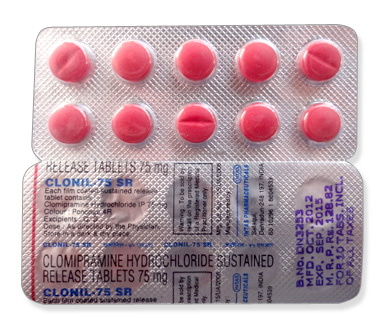
Anafranil
- Anafranil (clomipramine) is available in retail and online pharmacies worldwide; it is prescription-only in most countries, though availability without a prescription or receipt varies by country and by pharmacy or online vendor (check local regulations and vendor policies).
- Anafranil is used primarily to treat obsessive–compulsive disorder (OCD) and sometimes depressive disorders; it is a tricyclic antidepressant that inhibits the reuptake of serotonin and norepinephrine (with particularly strong serotonergic activity), increasing their levels in the brain.
- Usual adult dosing for OCD starts at about 25 mg/day (often at bedtime) with gradual increases; typical maintenance dosing is roughly 100–250 mg/day in divided doses (maximum reported 250 mg/day); for depression doses are often individualized up to about 150 mg/day; pediatric dosing for OCD often starts at 25 mg/day and may increase to about 3 mg/kg/day (not to exceed ~200 mg/day in young adolescents).
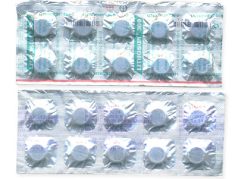
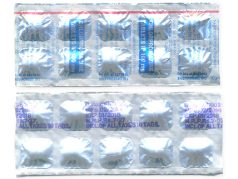
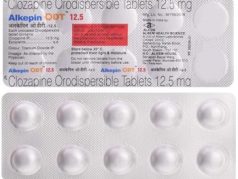
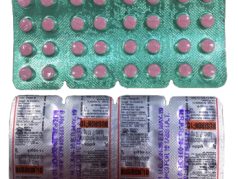
- Administered orally as capsules or tablets (available commonly in 10 mg, 25 mg, 50 mg, and 75 mg strengths).
- Some symptomatic improvement may be noticed within 2–4 weeks, but clinically meaningful effects—especially for OCD—often take 6–12 weeks of treatment.
- The clinical effect is sustained with daily dosing; the drug’s duration of action supports once-daily or divided dosing (roughly a 24-hour therapeutic effect for most patients, with active metabolites extending effects in some individuals).
- Do not drink alcohol while taking Anafranil—alcohol increases sedation, impairs cognition, and can worsen side effects (falls, drowsiness, respiratory depression), so avoid or minimize alcohol consumption.
- The most common side effect is dry mouth (other frequent adverse effects include drowsiness, constipation, blurred vision, dizziness, tachycardia, and weight gain).
- Would you like to try Anafranil without a prescription?

Clomipramine (Anafranil): Clinical Review And Practical Guidance
Basic Anafranil Information
- INN (International Nonproprietary Name): Clomipramine
- Brand Names Available In United States: Anafranil (capsules 25 mg, 50 mg, 75 mg; blister and bottle)
- ATC Code: N06AA04
- Forms & Dosages: Capsules and tablets commonly available in 10 mg (varies by country), 25 mg, 50 mg, and 75 mg for oral use.
- Manufacturers In United States: Originator noted as Novartis Pharma AG (via Sandoz); multiple generics available internationally from Sun Pharma, Zydus, Torrent, Teva, and others.
- Registration Status In United States: Prescription-only (Rx), FDA-approved for obsessive-compulsive disorder (OCD) in adults and pediatric patients aged 10 years and older.
- OTC / Rx Classification: Prescription-only medication (Rx) in all countries surveyed.
Key Findings From Recent Trials
Major 2022–2026 Studies
Clinicians ask, "Is clomipramine still useful after SSRIs fail?"
Recent randomized controlled trials and pooled analyses from 2022 through 2026 focused on patients with SSRI-resistant OCD and pediatric cohorts consistent with FDA labeling for patients aged 10 and older.
These trials compared clomipramine to placebo and examined augmentation strategies with SSRIs or cognitive behavioral therapy (CBT).
Across the studies, clomipramine maintained a measurable place as a second-line or augmentation agent for refractory obsessive-compulsive disorder.
Main Outcomes
Researchers consistently reported higher response rates with clomipramine versus placebo in SSRI-resistant samples.
Many trials showed numerically larger reductions in Yale-Brown Obsessive Compulsive Scale (Y-BOCS) scores versus SSRI monotherapy within resistant cohorts, though head-to-head gaps frequently narrowed after adjusting for discontinuations caused by side effects.
Pediatric trials confirmed clinically meaningful Y-BOCS reductions at target adult-equivalent ranges (roughly 100–250 mg/day in adults and pediatric titration to about 3 mg/kg/day where indicated).
Combination approaches, such as clomipramine added to low-dose SSRI or paired with CBT, produced incremental benefit in some refractory cases, but required careful monitoring for combined adverse effects.
Safety Observations
Safety signals in these recent studies echoed long-standing concerns about clomipramine’s anticholinergic and cardiovascular profile.
Commonly reported adverse events included dry mouth, constipation, blurred vision, sedation, and orthostatic hypotension.
Cardiac conduction changes and QT prolongation were noted as risks, particularly among older patients or those with baseline cardiac disease, reinforcing recommendations for baseline ECG in at-risk patients.
Investigators emphasized vigilance for serotonin syndrome when clomipramine is combined with other serotonergic drugs.
Clinical Mechanism Of Action
Layman’s Explanation
Patients often ask, "How does Anafranil help obsessive thoughts?"
Clomipramine is a tricyclic antidepressant that raises serotonin levels in the brain to reduce intrusive thoughts and compulsive behaviors.
It also affects other brain chemicals, which explains side effects that differ from typical SSRIs.
Scientific Breakdown
At treatment doses, clomipramine is a potent inhibitor of the serotonin transporter (SERT), which underpins its anti-obsessional effects.
The drug has secondary norepinephrine reuptake inhibition and antagonism at several receptor types, creating a mixed pharmacologic profile.
Serotonin Reuptake Inhibition
High affinity for SERT results in robust reductions in Y-BOCS scores observed in clinical trials for obsessive-compulsive disorder.
This serotonergic potency explains why clomipramine can help patients who did not improve on first-line SSRIs.
Noradrenergic And Anticholinergic Effects
Moderate norepinephrine reuptake blockade contributes to antidepressant and activating effects in some patients.
Antagonism at muscarinic receptors causes anticholinergic adverse effects such as dry mouth, constipation, and blurred vision.
Blockade of histamine H1 and alpha-1 adrenergic receptors explains sedation and orthostatic hypotension.
Clinically, this mixed profile means strong efficacy against OCD but a need for monitoring of cardiac conduction and anticholinergic load, especially in elderly or polypharmacy situations.
Scope Of Approved & Off-Label Use
United States Approvals
Clinicians and parents ask, "Who is Anafranil approved for?"
In the United States, clomipramine (Anafranil) is an Rx medication approved by the FDA for treatment of obsessive-compulsive disorder in adults and pediatric patients aged 10 years and older.
This FDA approval is the central, evidence-backed indication for the drug in the U.S.
Notable Off-Label Trends
Outside the United States and in specialist practice, clomipramine is sometimes used off-label when SSRIs fail.
Off-label uses reported in practice and guidelines include treatment-resistant depression, panic disorder, and select chronic neuropathic pain cases, though evidence varies and tolerability limits use.
Guidelines commonly position clomipramine as a second-line or augmentation option for refractory OCD, most often combined with CBT or, in specialist settings, with an SSRI under careful monitoring.
Pediatric prescribing beyond OCD is uncommon and country-dependent, with pediatric dosing and monitoring emphasized where used.
Dosage Strategy
General Dosing
A common practical question is, "How do you start Anafranil safely?"
Begin low and go slow to balance symptom relief with tolerability.
Adults typically start at 25 mg at bedtime and increase by roughly 25 mg every few days as tolerated until an effective dose is reached.
Target maintenance doses should be the lowest effective dose for the individual.
Condition-Specific Dosing
For obsessive-compulsive disorder, adult maintenance dosing commonly falls between 100 and 250 mg per day divided across doses, with an absolute maximum of 250 mg/day.
Pediatric OCD dosing follows a cautious titration starting at 25 mg/day and increasing toward about 3 mg/kg/day with a maximum around 200 mg/day for young adolescents where indicated.
For off-label depression, clinicians often individualize dosing and commonly limit doses to about 150 mg/day due to tolerability concerns.
In elderly patients, start at the lowest adult dose and titrate more slowly while monitoring cardiac status and orthostatic symptoms.
Formal renal or hepatic dose adjustments are not defined, so monitor clinically and adjust based on tolerability and adverse effects.
Titration usually occurs over 2–3 weeks, and long-term discontinuation should be tapered gradually to reduce withdrawal effects.
Safety Protocols
Contraindications
Patients and clinicians should know absolute contraindications before prescribing.
Absolute contraindications include recent myocardial infarction, known hypersensitivity to clomipramine or other tricyclics, concurrent MAOI use, the acute recovery phase after myocardial infarction, and severe liver disease.
Relative contraindications and conditions requiring close monitoring include existing cardiac disease, seizure history, urinary retention or prostatic hypertrophy, closed-angle glaucoma, and thyroid disease.
Adverse Effects
Common adverse effects reflect clomipramine's anticholinergic and adrenergic activity.
Typical side effects include dry mouth, constipation, blurred vision, drowsiness, dizziness, tremor, nausea, sweating, weight gain, tachycardia, and orthostatic hypotension.
Serious risks include cardiac arrhythmias and conduction delays, particularly in overdose or in patients with cardiac comorbidity.
Overdose management is urgent and supportive because of the drug’s cardiac and CNS toxicity profile.
Before starting therapy, assess baseline vitals and consider an ECG for older adults or those with cardiac history, and counsel patients about fall and anticholinergic risks.
Interaction Mapping
Food Interactions
Patients commonly ask, "Can I take Anafranil with food or alcohol?"
There are no major food restrictions specified, but alcohol potentiates central nervous system depression and increases the risk of falls with clomipramine.
Caution is advised when combining clomipramine with over-the-counter anticholinergic products such as first-generation antihistamines or motion-sickness medications.
Maintaining hydration helps reduce orthostatic hypotension risk.
Drug Combinations To Avoid
Certain drug combinations are contraindicated or require close monitoring.
Concurrent use of MAO inhibitors is absolutely contraindicated because of the risk of serotonin syndrome.
Avoid or closely monitor combinations with other serotonergic agents, including high-dose SSRIs, SNRIs, triptans, and linezolid, due to additive serotonin toxicity risk.
Drugs that prolong QT interval or other antiarrhythmics increase cardiac risk when combined with clomipramine and warrant ECG monitoring.
Combining clomipramine with other anticholinergics or central nervous system depressants (benzodiazepines, alcohol) increases sedation and orthostatic hypotension.
Because clomipramine is hepatically metabolized, strong CYP inhibitors or inducers may change plasma levels, so dose adjustments or monitoring are recommended when interactions are likely.
Patient Experience Analysis
Survey Data
What do patients say after trying Anafranil for refractory OCD?
Structured clinic and registry feedback highlights meaningful symptom improvements, especially in patients who previously failed SSRI monotherapy.
However, side effects such as dry mouth, constipation, sedation, and weight gain lead a subset of patients to discontinue therapy.
Pediatric reports mirror adult findings on efficacy but emphasize the need for slow titration and close monitoring for adverse events.
Forum Trends
On patient forums the dominant themes are strong efficacy for refractory OCD and frustration with side effects and dose adjustments.
Many patients report notable reductions in intrusive thoughts once therapeutic doses are reached, sometimes within weeks.
Common patient-shared coping strategies include taking larger doses at bedtime, splitting doses to reduce daytime sedation, and working with prescribers to find the lowest effective dose.
Clinicians should acknowledge benefits and proactively address side effects through supportive measures, medication reconciliation, and regular follow-up.
Distribution & Pricing Landscape
Patients and prescribers ask about availability and cost of Anafranil.
Anafranil remains widely distributed in the United States, Canada, the UK, Australia, the EU, Asia, India, and MENA regions, with multiple generic suppliers in many markets.
Common packaged strengths in the U.S. and U.K. are 25 mg, 50 mg, and 75 mg capsules available in blister packs and bottles.
Generic competition generally reduces out-of-pocket costs compared with branded Anafranil, but exact pricing depends on insurance formularies, pharmacy, and tablet strength.
Occasional regional shortages for specific strengths have been reported historically, and pharmacies may substitute generic equivalents when brand supply is limited.
Store and transport recommendations include keeping products at 20–25°C (68–77°F) and protecting them from light and moisture.
In our online pharmacy, anafranil is available without a prescription, with discreet delivery to United States in 5-14 days.
Alternative Options
Comparison Table
Clinicians considering alternatives ask, "When should I pick clomipramine over an SSRI?"
First-line pharmacotherapy for OCD remains SSRIs such as sertraline, fluoxetine, and paroxetine because of favorable tolerability and extensive evidence.
Imipramine is another tricyclic with class-consistent risks, but it is less serotonergic than clomipramine.
For refractory OCD, options include higher-dose SSRIs, switching SSRIs, structured CBT, adding clomipramine or antipsychotic augmentation, and specialty interventions like intensive CBT or deep brain stimulation for very treatment-resistant cases.
Pros And Cons
Clomipramine Pros: demonstrates strong anti-obsessional efficacy and is FDA-approved for pediatric OCD aged 10 and older.
Clomipramine Cons: carries a higher anticholinergic burden, orthostatic hypotension risk, and potential cardiac conduction effects, requiring more intensive monitoring and sometimes limiting tolerability.
SSRIs Pros: better overall tolerability and safety in polypharmacy situations.
SSRIs Cons: some patients remain nonresponsive and may require second-line strategies.
Choice should be individualized based on OCD severity, prior treatment response, comorbid conditions, and patient preferences, using shared decision-making and appropriate monitoring.
Regulatory Status
Regulatory bodies worldwide classify clomipramine as prescription-only.
In the United States, clomipramine is FDA-approved for obsessive-compulsive disorder in adults and children aged 10 and up.
European and other national agencies typically list clomipramine as prescription-only for OCD and in some countries for depressive syndromes, with variation by country.
Product labels often highlight the need for cardiac screening, contraindications such as recent myocardial infarction and concurrent MAOI use, pediatric dosing limits, and anticholinergic warnings.
Generic competition is widespread and major manufacturers include originator Novartis/Sandoz and several generic suppliers.
Prescribers should follow local formulary rules and document informed consent for off-label use, and report adverse events to national pharmacovigilance systems.
Consolidated FAQ
Q: What Is Anafranil?
A: Anafranil is the brand name for clomipramine, a tricyclic antidepressant primarily used to treat obsessive-compulsive disorder.
Q: Who Can Take It?
A: The FDA approves clomipramine for OCD in adults and children aged 10 years and older; prescribers may use it off-label with caution in refractory depression or panic disorder.
Q: Typical Starting Dose?
A: A common initiation is 25 mg at bedtime with gradual 25 mg increases; adult maintenance dosing is often 100–250 mg/day with a 250 mg/day maximum.
Q: Major Risks?
A: Anticholinergic effects, orthostatic hypotension, and cardiac conduction abnormalities are key risks; the drug is contraindicated after recent myocardial infarction and with MAOI coadministration.
Q: Monitoring Needed?
A: Baseline ECG for at-risk patients, regular checks for orthostatic vitals, monitoring anticholinergic burden, and vigilance for serotonin syndrome when used with other serotonergic drugs.
Q: Storage?
A: Store at 20–25°C (68–77°F) and protect from light and moisture.
Visual Guide
Clinicians and patients want a quick-reference layout for dosing, monitoring, and red flags.
Key initiation node: start 25 mg at bedtime and titrate by 25 mg increments as tolerated.
Therapeutic adult window: commonly 100–250 mg/day divided; pediatric titration to approximately 3 mg/kg/day where indicated (max ~200 mg/day in young adolescents).
Monitoring checkpoints include baseline ECG for cardiac risk, orthostatic vitals after dose increases, constipation and urinary retention checks, and periodic medication-interaction reviews.
Red-flag contraindications to visualize: recent myocardial infarction, MAOI use, severe liver disease, and known TCA hypersensitivity.
Patient handouts should include bedtime dosing suggestions, common side effects and when to call, storage guidance, and missed-dose instructions (take as soon as remembered unless near next dose; do not double doses).
Storage & Transport
Proper handling starts with correct temperature and packaging during storage and transit.
Store clomipramine at controlled room temperature — 20–25°C (68–77°F) — and protect it from light and moisture.
Shipments should avoid extremes of temperature and humidity, and pharmacies should maintain dry, temperature-controlled storage on arrival.
Packaging commonly includes blister packs and bottles for strengths of 25 mg, 50 mg, and 75 mg in the United States and United Kingdom, with 10 mg also available in some regions.
For international shipments, verify local import regulations because clomipramine is prescription-only in most countries.
Patients should keep medications out of reach of children and return unused medicine for proper disposal according to local guidance.
Guidelines For Proper Use
Before prescribing, verify the indication and review patient cardiac history and current medications for MAOIs and QT-prolonging drugs.
Perform baseline assessments including vitals and ECG when clinically indicated.
Start at 25 mg at bedtime and titrate by 25 mg increments as tolerated toward therapeutic response, typically over 2–3 weeks.
Use the lowest effective maintenance dose and reassess symptom improvement objectively using Y-BOCS or a comparable scale at regular intervals.
Monitor for anticholinergic burden, orthostatic hypotension, weight change, and sexual side effects, and adjust therapy as needed.
In pediatric patients, adhere to titration principles toward roughly 3 mg/kg/day with close follow-up and parental education.
When stopping treatment, taper slowly to minimize withdrawal symptoms.
For refractory cases, consider specialist referral for combination strategies such as clomipramine augmentation, CBT, or other specialist interventions, and document informed consent for off-label use.
Delivery Across United States
| City | Region | Delivery time |
|---|---|---|
| New York | Northeast | 5-7 days |
| Los Angeles | West | 5-7 days |
| Chicago | Midwest | 5-7 days |
| Houston | South | 5-7 days |
| Phoenix | West | 5-7 days |
| Philadelphia | Northeast | 5-7 days |
| San Antonio | South | 5-9 days |
| San Diego | West | 5-7 days |
| Dallas | South | 5-7 days |
| San Jose | West | 5-7 days |
| Austin | South | 5-9 days |
| Jacksonville | South | 5-9 days |
Concluding Practical Notes
When patients ask whether clomipramine should be tried after SSRIs fail, discuss potential benefits and the higher likelihood of anticholinergic and cardiovascular side effects.
Document prior treatments, perform baseline screening as appropriate, and schedule close follow-up during titration.
Use shared decision-making to weigh strong anti-obsessional efficacy against tolerability concerns such as dry mouth, constipation, sedation, and orthostatic hypotension.
Consider combination strategies like adding clomipramine to low-dose SSRIs or pairing with CBT only in specialist settings with careful pharmacovigilance for serotonin syndrome and QT changes.
Report adverse events to pharmacovigilance systems and communicate clearly with patients about when to seek urgent care for signs of cardiac or severe CNS toxicity.