
Albendazole
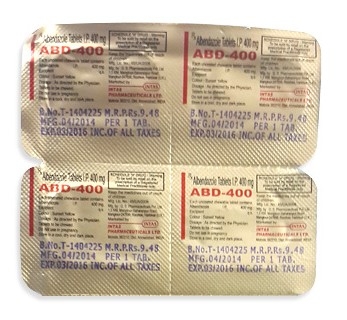
Albendazole
- Albendazole can be purchased from pharmacies and online e-pharmacies; in some places it may be available without a prescription, but in many countries human formulations are prescription-only. It is sold under brand names such as Albenza, Zentel, Eskazole, and various local generics.
- Albendazole is used to treat parasitic worm infections, including roundworms, hookworms, pinworms, whipworms, tapeworms, strongyloidiasis, neurocysticercosis, and hydatid disease. It works by blocking the parasite’s microtubule formation and glucose uptake, which stops the worm from surviving and reproducing.
- The usual dose depends on the infection. For many common intestinal worms, the usual adult dose is 400 mg as a single dose. For some infections, 400 mg once daily for 3 days is used. More serious infections such as neurocysticercosis or echinococcosis may require 15 mg/kg/day in two divided doses, up to 800 mg per day, for longer treatment courses.
- Albendazole is taken by mouth as an oral tablet, chewable tablet, or oral suspension.
- Albendazole usually starts working within a few hours, but symptom improvement may take days as the parasites are cleared from the body.
- The duration of action depends on the condition being treated: a single dose may be enough for simple intestinal infections, while 3-day courses or multiple 28-day treatment cycles may be needed for more serious infections.
- Alcohol is not specifically contraindicated, but it is best to avoid or limit alcohol while taking albendazole because both alcohol and albendazole can affect the liver.
- The most common side effects are nausea, vomiting, abdominal pain, diarrhea, headache, dizziness, and sometimes temporary increases in liver enzymes.
- Would you like to try albendazole without a prescription?


Basic Albendazole Information
- INN (International Nonproprietary Name): Albendazole
- Brand Names Available in United States: Albenza
- ATC Code: P02CA03
- Forms & Dosages: Oral tablet 200 mg, 400 mg; chewable tablet 200 mg, 400 mg; oral suspension 100 mg/5 mL, 200 mg/5 mL, 400 mg/10 mL
- Manufacturers in United States: Impax Labs Inc, Edenbridge Pharms, Chartwell Rx
- Registration Status in United States: FDA-approved (Albenza)
- OTC / Rx Classification: Prescription (Rx) in most countries for human formulations; some veterinary forms may be OTC
Key Findings From Recent Trials
Does albendazole still hold up when it is tested against the worms patients actually get in real life?
Recent clinical evidence keeps pointing in the same direction.
Albendazole remains a first-line anthelmintic for common intestinal helminths, and it also stays central for tissue disease such as neurocysticercosis and echinococcosis.
For uncomplicated intestinal infections, the familiar 400 mg single-dose approach continues to perform well, especially for ascariasis, enterobiasis, hookworm, and trichuriasis.
That is one reason Albenza and other Albendazole tablets remain common choices in practice.
When the parasite is living in tissue, treatment gets longer and more structured.
Studies continue to support 15 mg/kg/day, up to 800 mg/day, in divided doses for neurocysticercosis and hydatid disease, usually in cycles and often alongside corticosteroids or antiepileptics.
Safety data are reassuring overall, but they do not give permission to ignore follow-up.
Most Albendazole side effects reported in trials are mild and short-lived, with nausea, abdominal discomfort, dizziness, and headache showing up most often.
Longer courses can raise transaminases, and rare blood dyscrasias have been described, so liver tests and blood counts matter when treatment is extended.
In U.S. pharmacy practice, the clinical message is simple.
Albendazole works well, but the right regimen depends on the organism, the site of infection, and how long the drug needs to stay on board.
The drug is classified as ATC P02CA03, and in the United States the approved human product is Albenza.
Clinical Mechanism Of Action
Ever wonder how a worm medicine actually kills the parasite without acting like an antibiotic?
Albendazole works by starving the worm of the energy it needs to survive.
In plain English, it blocks the parasite from absorbing fuel, so the organism weakens and dies.
At the scientific level, Albendazole binds to parasite microtubules and disrupts glucose uptake and intracellular transport.
That is why it can clear many gastrointestinal parasites quickly, yet still has a role in tissue-dwelling infections where the parasite burden and location are more complicated.
This benzimidazole mechanism is also why treatment can be short for simple intestinal disease and much longer for neurocysticercosis or echinococcosis.
For a patient, the practical takeaway is straightforward.
When a drug interferes with parasite metabolism, the infection can be treated without needing weeks of daily dosing in every case.
Human formulations include tablets in 200 mg and 400 mg strengths, chewable tablets, and oral suspensions such as 100 mg/5 mL, 200 mg/5 mL, and 400 mg/10 mL.
Those options matter in pediatrics and in adults who have trouble swallowing pills.
In daily counseling, the formulation often matters as much as the milligram strength.
A family asking about Albendazole 400 mg may need a different answer than someone who needs liquid medicine for a child.
Scope Of Approved And Off-Label Use
What is albendazole officially used for in the United States, and when do prescribers reach for it outside the usual label?
In the U.S., albendazole is approved as Albenza for parasitic infections, and human use is typically prescription-only.
Its strongest support is for ascariasis, enterobiasis, hookworm, trichuriasis, strongyloidiasis, taeniasis, hymenolepiasis, neurocysticercosis, and echinococcosis.
That broad reach is one reason people often search for Albendazole prescription rather than a single disease name.
Off-label use can include selected protozoal or dermatologic parasitic conditions, depending on clinician judgment.
It also appears in travel medicine and mass deworming settings.
Globally, the same medicine is sold under names such as Zentel, Eskazole, and Albenza, and local packagers often use country-specific branding.
Brand availability varies by market, which is why a Romanian pharmacy customer may see Albendazol Labormed while a U.S. customer sees Albenza.
For American shoppers comparing access, the question of Where to buy Albenza often comes down to prescription rules, stock status, and shipping.
In our online pharmacy, albendazole is available without a prescription, with discreet delivery to United States in 5-14 days.
That kind of access is especially useful for families dealing with recurrent pinworm exposure or for patients who need a refill quickly.
Albendazole for pinworms is one of the most common reasons people ask about treatment at the pharmacy counter.
Dosage Strategy
How much albendazole is enough, and when does a single dose not cut it?
For many intestinal helminths in adults and children over 2 years, the standard regimen is 400 mg once.
That single-dose approach is common for ascariasis, trichuriasis, hookworm, and enterobiasis, and a repeat dose in 2 to 3 weeks may be needed if reinfection or persistent exposure is likely.
For strongyloidiasis, taeniasis, and hymenolepiasis, the usual plan is 400 mg daily for 3 days, with repeat treatment after 3 weeks if needed in hymenolepiasis.
Tissue disease is a different story.
Neurocysticercosis is commonly treated at 15 mg/kg/day, up to 800 mg/day, divided into two doses for 8 to 30 days, often with corticosteroids and antiepileptics.
Echinococcosis is usually managed at the same daily dose, also capped at 800 mg/day, in 28-day cycles with 14-day intervals.
Children over 2 years often receive adult-equivalent dosing, while safety and efficacy are not established under age 2.
Hepatic impairment calls for caution and monitoring, and active liver disease is a contraindication.
The presence of 200 mg and 400 mg tablets, along with chewable products, gives prescribers room to match the regimen to the patient.
That flexibility matters when counseling on Albendazole dosage and adherence.
Safety Protocols
What should patients watch for before taking albendazole, and what problems deserve a call to the prescriber?
Albendazole should be avoided in pregnancy, especially during the first trimester, because of teratogenicity risk.
It should also be avoided in active liver disease and in people with known hypersensitivity to albendazole or other benzimidazoles.
Common Albendazole side effects include nausea, vomiting, abdominal pain, diarrhea, headache, and dizziness.
Less common effects include fever, reversible hair loss, and elevated transaminases.
Rare but serious reactions include pancytopenia and severe hepatic injury.
That is why liver function tests matter most when treatment is prolonged, and blood counts may be needed when treatment is extended or marrow suppression is suspected.
Relative contraindications include pre-existing liver impairment, bone marrow suppression or cytopenias, breastfeeding caution, and ocular cysticercosis.
Eye involvement deserves special attention because parasite death can worsen local damage.
Patients often ask whether mild nausea means the medicine is not working.
Usually it does not.
More often, it reflects the drug itself or the infection burden, and persistent or severe symptoms should be evaluated rather than guessed at.
For anyone with liver disease history, pregnancy concerns, or prior blood disorders, Albendazole contraindications should be reviewed before the first dose.
Interaction Mapping
Should albendazole be taken with food, and what combinations need extra care?
Albendazole is generally taken with food, and fatty meals can improve absorption, especially for tissue infections.
That food effect is one reason pharmacists often emphasize timing when counseling on Albenza tablets or Albendazole suspension.
Patients should also avoid stacking antiparasitics on their own.
Using multiple worm medicines without direction can increase side effects without improving outcomes.
Watch for additive liver toxicity when Albendazole is paired with other hepatotoxic drugs, and use caution with therapies that can lower blood counts.
Combination therapy is common in neurocysticercosis, where corticosteroids and antiepileptics are often used on purpose alongside albendazole.
Those combinations are not mistakes.
They are part of standard care, but they need monitoring for liver effects, seizure control, and tolerance.
The oral suspension and tablet forms both make dose timing important, especially in pediatrics or in patients who have trouble swallowing.
Food instructions are easier to follow when the dose form is clear before the bottle leaves the pharmacy.
Patient Experience Analysis
Why do some patients breeze through treatment while others keep calling the pharmacy with questions?
Most patient reports center on short, single-dose therapy for “worms,” and that simplicity usually helps adherence.
Longer regimens are more demanding because there are more doses to remember and more chances for side effects to become annoying.
People frequently ask whether nausea, headache, or fatigue means the medication is doing its job.
They also ask about repeat dosing, whether family members should be treated, and when it is safe to return to school or work.
Those concerns are practical, not dramatic, and they come up all the time.
Low-cost generics, simple dosing, and easy-to-find 400 mg tablets are major positives.
Liquid suspensions are especially helpful in children and in adults who cannot swallow tablets.
Some patients dislike the bitter taste, and others get confused about whether they need to take the dose with meals.
Packaging can also affect adherence, since product formats range from blisters of 1 to 2 tablets to small glass bottles for suspensions and foil packs in some markets.
That kind of packaging detail sounds minor until it is Saturday night and a parent is trying to open a blister for a feverish child.
Practical access and simple instructions often matter as much as the medicine itself.
Distribution And Pricing Landscape
How easy is albendazole to find, and why do prices vary so much across markets?
Albendazole is widely distributed through retail pharmacies, hospital formularies, and e-pharmacy listings.
Generic competition keeps pricing lower than many niche antiparasitics, which helps explain why it stays available in so many countries.
Major suppliers span India, Europe, Latin America, the United States, and contract manufacturers worldwide.
Well-known brands include Zentel, Albenza, Eskazole, Albendazol Medley, and Albendazol MK.
Veterinary Valbazen is marketed separately and should not be confused with human products.
Buying decisions should always include the strength, the packaging, and the prescription requirement in the buyer’s country.
E-pharmacy listings often use simple search language such as Albendazole 400 mg tablet, which makes comparison shopping easier.
Because supply and labeling vary, patients should check whether they are ordering tablets, chewables, or a suspension before checkout.
The same drug can look very different from one market to another.
That is normal for a global antiparasitic, but it makes counseling essential.
Alternative Options
What if albendazole is not the best fit for a certain worm infection?
Mebendazole, ivermectin, and praziquantel are the most common alternatives, and the right choice depends on the organism and the infection site.
Albendazole has a broad spectrum, comes in multiple strengths and formulations, and has a strong role in tissue parasites.
Its limitations are familiar too.
Liver monitoring may be needed, pregnancy restrictions apply, and absorption can vary if it is not taken with food.
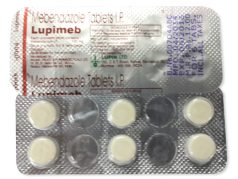
Mebendazole plays a similar role for some intestinal helminths.
Ivermectin is useful for selected nematodes, especially strongyloidiasis in some settings.
Praziquantel is stronger for many tapeworm and fluke infections.
Choice usually depends on the organism, where the parasite is located, the patient’s age, pregnancy status, and local resistance patterns.
Albendazole is a WHO-essential medicine, and its main competition is mebendazole, ivermectin, and praziquantel rather than other unrelated drugs.
For pinworm exposure in a household, one drug may be enough.
For hydatid disease or neurocysticercosis, the treatment conversation is very different.
Regulatory Status
Is albendazole legal to sell the same way in every country?
Not at all.
In the United States, the FDA-approved human product is Albenza, and it is prescription-only in typical human use.
In the European Union, EMA-approved products are available under different brand names.
National approvals also exist across Latin America, Asia, Africa, and Eastern Europe.
Romania has Albendazol Labormed registered with ANMDMR, which shows how local naming and approval can differ even when the active ingredient is the same.
Human albendazole is generally Rx, while veterinary versions may be OTC depending on the jurisdiction.
That regulatory split affects packaging, dose instructions, and how products move through the market.
For shoppers, the label matters.
Albenza, for example, is a U.S. human product, while Valbazen is a veterinary suspension and should not be substituted for human use.
Always match the product to the prescription and the infection being treated.
Consolidated FAQ
What does albendazole treat?
It treats intestinal and tissue helminth infections, including pinworms, roundworms, hookworm, trichuriasis, neurocysticercosis, and echinococcosis.
Is albendazole the same as Albenza?
Albenza is the U.S. brand name for albendazole.
How fast does albendazole work?
Many intestinal infections respond after a single dose, while tissue infections take longer and usually need repeated treatment cycles.
Can it be taken with food?
Yes, and food often improves absorption, especially for tissue infections.
What are the most common side effects?
Nausea, abdominal pain, headache, and dizziness are the usual complaints.
Is albendazole safe in pregnancy?
It is generally avoided, especially in the first trimester.
Standard human products include 200 mg and 400 mg tablets plus suspensions, which gives prescribers and pharmacists flexible dosing options.
People looking up Albendazole FAQ often want simple answers, not a textbook, and that is exactly what this medicine guide should provide.
Visual Guide
A good infographic makes albendazole easier to use correctly.
The clearest chart would show parasite type versus dose, tablet versus suspension strengths, and short-course versus prolonged-course treatment.
A dosing matrix for common helminths would help families and clinicians see at a glance when a single 400 mg dose is enough and when a 3-day or cycle-based regimen is needed.
A safety checklist should highlight liver monitoring, pregnancy warnings, and the need for blood counts in prolonged therapy.
A brand map can also be useful, since Zentel, Albenza, and regional generics often look different even though they contain the same active ingredient.
Packaging differences should be visible too, because some markets use blisters, bottles, or foil packs.
That matters when counseling on Albendazole tablets or oral suspension.
The best visuals keep the message simple.
Intestinal infection versus tissue disease should stand out immediately.
So should the pediatric cutoffs and the pregnancy warning.
When those details are easy to scan, patients are more likely to use the medicine correctly.
Storage And Transport
How should albendazole be stored once it arrives?
Keep it at room temperature, usually 15 to 30°C, with the container tightly closed and protected from light and moisture.
Original packaging is best for transport, because it helps preserve the product and makes identification easier.
Freezing should be avoided, and excessive heat during shipping can also create problems.
Suspensions should be checked for expiration dates and shaking instructions before use.
Tablets should stay dry so they keep their integrity.
Pack sizes can vary from 1 to 2 tablet blisters to bottles or foil packs depending on the market.
That is normal for Albendazole storage and transport, but it means patients should read the package before the first dose.
A few minutes spent checking the bottle now can prevent confusion later.
Guidelines For Proper Use
What makes albendazole work well instead of just being “taken”?
The answer is getting the parasite, dose, duration, and formulation right from the start.
Use the correct product, whether that is a tablet, chewable tablet, or suspension.
Take it exactly as prescribed, and do not double a missed dose.
For many infections, treatment may need to be repeated after 2 to 3 weeks.
Long courses may require liver tests and blood counts, especially when tissue disease is being treated.
Fever, severe abdominal pain, jaundice, or neurologic changes deserve prompt reassessment.
Household contacts may need treatment when transmissible intestinal parasites are involved.
Pregnancy should be avoided during therapy unless a specialist recommends otherwise.
Albendazole 400 mg is common for intestinal worms, while 15 mg/kg/day is the usual framework for neurocysticercosis or echinococcosis.
That difference is exactly why Albendazole prescription counseling should never be generic.
Delivery Across United States
| City | Region | Delivery time |
|---|---|---|
| New York | Northeast | 5-7 days |
| Los Angeles | West | 5-7 days |
| Chicago | Midwest | 5-7 days |
| Houston | South | 5-7 days |
| Phoenix | West | 5-7 days |
| Philadelphia | Northeast | 5-7 days |
| San Antonio | South | 5-7 days |
| San Diego | West | 5-7 days |
| Dallas | South | 5-7 days |
| San Jose | West | 5-7 days |
| Austin | South | 5-7 days |
| Jacksonville | South | 5-9 days |
| Columbus | Midwest | 5-9 days |
| Charlotte | South | 5-9 days |
| Indianapolis | Midwest | 5-9 days |
For patients ordering from an online pharmacy, clear product selection and discreet shipping can make treatment easier to start and easier to finish.